Get Full Government Meeting Transcripts, Videos, & Alerts Forever!
Get email alerts on the Workforce Tax Credit topic
No spam. Unsubscribe anytime.
Rep. Stevens presents state work-opportunity tax credit; first hearing only
Summary
Representative Stevens offered HB 519, a state-level work opportunity tax credit that would give employers up to $500 per qualifying hire (targeting TANF/SNAP recipients, people with records and veterans) with a $10 million annual cap; the committee held a first hearing and took no vote.
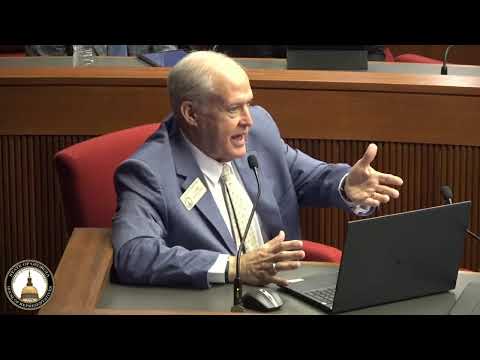
Representative Stevens presented House Bill 519 to the Income Tax Subcommittee of the Ways & Means Committee as a first hearing measure, saying the bill would create a state employer tax credit to encourage hiring people who face significant barriers to employment.
“This is a work opportunity, tax credit,” Stevens told the committee, describing the bill as modeled on existing federal programs. Stevens said the measure would provide employers a $500 tax credit for each qualifying employee and that the program would carry a maximum statewide cap of $10,000,000 per year. He listed likely target populations as people on Temporary Assistance for Needy Families (TANF), Supplemental Nutrition Assistance Program (SNAP) recipients, people with criminal records and veterans.
Stevens said the state proposal was intended to complement federal incentives. Representative Prince asked whether the state credit was contingent on a federal program remaining in effect or whether the state program would stand alone if the federal credit ended. Prince said, “Now this is just is it a just in case the federal government, decides to do away with it… or this is… gone,” and Stevens responded that the state measure would be available either way but would be more valuable if the federal program continued.
Stevens told the committee the bill’s goal is to help employers hire “folks that don’t currently have a job and basically [are] unemployable,” to reduce reliance on welfare programs and increase workforce participation. He described the credit as an incentive to get individuals “off of our welfare system and get them to work, to be productive.”
The committee treated HB 519 as a first hearing only; no vote took place. Stevens indicated he would accept additional questions and the committee scheduled further consideration at a subsequent hearing.