Get Full Government Meeting Transcripts, Videos, & Alerts Forever!
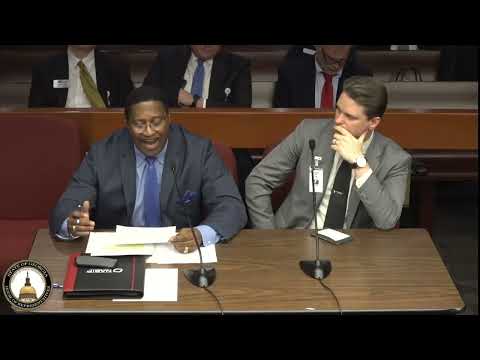
First hearing held for small-business ICRA tax credit to help employers offer health coverage
Summary
At a first hearing, supporters urged HB 1110 (the Georgia Small Business Resiliency Act / ICRA bill) to offer a $600-per-employee tax credit (with declining amounts in years four and five), capped at $10 million annually and subject to a roughly five-year sunset; proponents said the credit would help small employers recruit and retain workers and expand access to insurance.
Sponsor presented HB 1110 as a targeted tax credit to support small employers that provide benefits, proposing a $600-per-covered-employee credit with reduced credits in the fourth and fifth years and an aggregate cap of $10,000,000. The sponsor described the program as a way to "reward" small businesses that offer competitive benefits and noted the program sunsets after about five years.
Witnesses supporting the bill included…
Already have an account? Log in
Subscribe to keep reading
Unlock the rest of this article — and every article on Citizen Portal.
- Unlimited articles
- AI-powered breakdowns of topics, speakers, decisions, and budgets
- Instant alerts when your location has a new meeting
- Follow topics and more locations
- 1,000 AI Insights / month, plus AI Chat