
Attorney Jordan Ewald on roundabout safety: yield, pick your lane and signal when exiting
Get AI-powered insights, summaries, and transcripts
Subscribe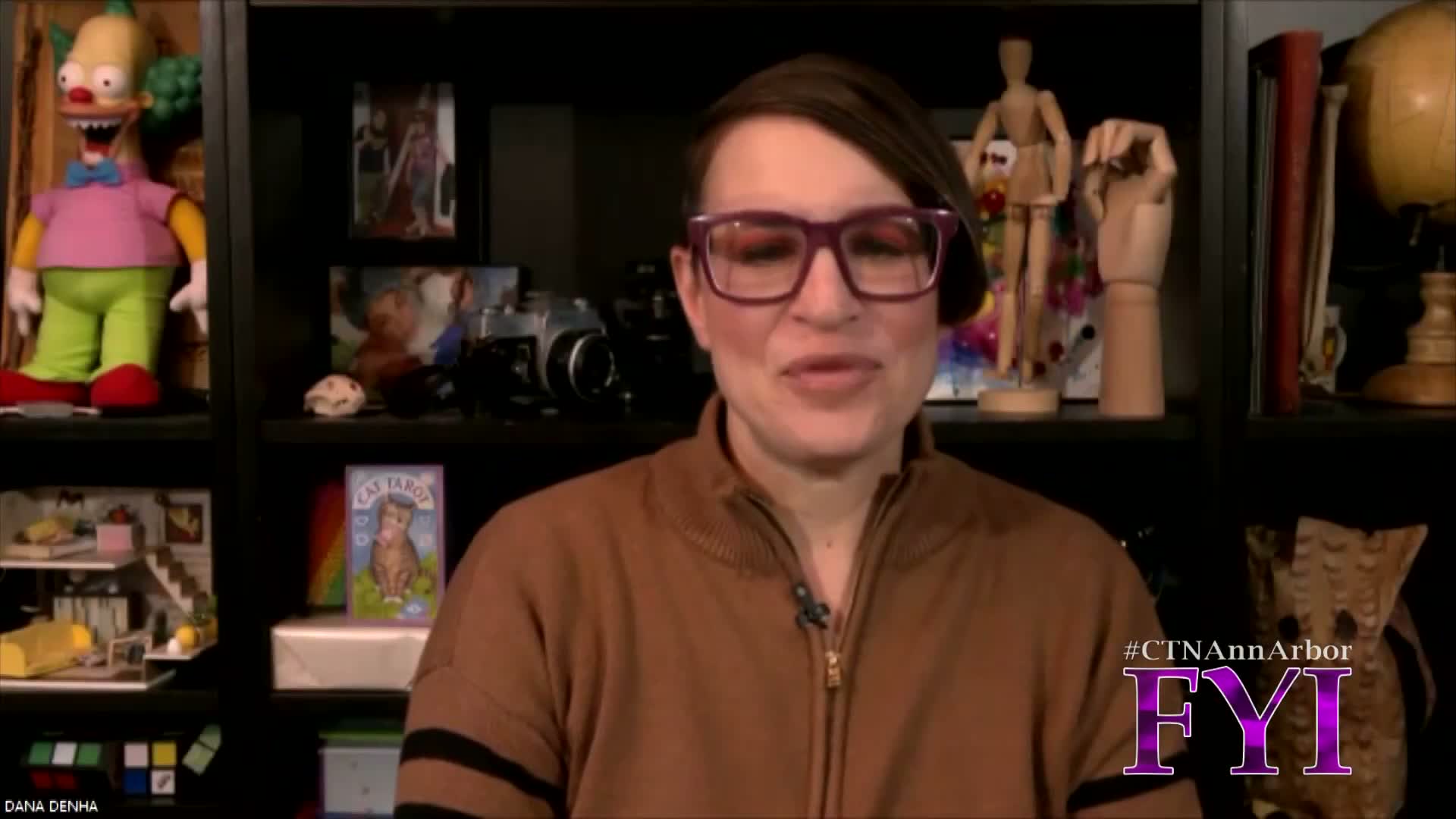
Summary
In an FYI interview, Jordan Ewald of Michigan Auto Law discussed why roundabouts remain intersections with crash risk, outlined maneuvers (yield to circulating vehicles, stay in your lane, signal when exiting) and warned that official crash statistics likely undercount injuries.
Jordan Ewald, an attorney at Michigan Auto Law, told viewers that roundabouts are still intersections and that crash risk depends heavily on traffic patterns and location.
"So roundabouts themselves are still intersections," Ewald said, adding that roughly "30 percent of all crashes do happen at intersections, and then a third of all fatal crashes are happening at intersections as well." He emphasized that higher traffic volumes and mixed speeds—for example, roundabouts adjacent to expressways or busy shopping areas—contribute to collisions.
Ewald gave step-by-step advice for drivers: yield to vehicles already in the roundabout, yield to pedestrians, pick and stay in the correct lane using lane arrows, avoid distracted driving and use a turn signal when exiting to indicate intent. "Once you're in the roundabout, make sure you stick to your lane," he said. "And then when you wanna exit the roundabout, use your turn signal."
On severity and reporting, Ewald said roundabouts tend to reduce head-on, high-speed collisions but increase sideswipe and rear-end crashes; he also argued that official injury counts undercount true injuries because many crashes are recorded only when an ambulance responds. "The injuries reported... are 3 or 4 times more than what's actually being reported," he said, explaining that data collection often depends on ambulance visits to the scene.
Ewald directed viewers to michiganautolaw.com for the cited top-10 list of dangerous roundabouts, crash statistics and videos showing proper roundabout use.
Why it matters: The advice is practical for drivers in communities adopting more roundabouts; the data caveat about undercounted injuries is relevant for policymakers and traffic planners who rely on official statistics for design and enforcement decisions.
What was not addressed on air: the segment did not include comments from traffic engineers, police spokespeople, or local road authorities about possible design changes at specific Ann Arbor intersections.
The segment closed with practical winter-driving reminders (ensure tires and brakes are ready; clear snow/ice from windows and lights) and a sign-off directing viewers to online resources.