Get Full Government Meeting Transcripts, Videos, & Alerts Forever!
Get email alerts on the Budget topic
No spam. Unsubscribe anytime.
District negotiators review levy, DPI estimates and low carryover as budget pressure
Summary
Negotiators reviewed DPI funding projections, property-tax (mill) estimates and a projected $131,000 biennial budget impact; the Chair warned the district's carryover reserve (~10%) is below the 20% industry standard and that final state-aid figures arrive Dec. 1.
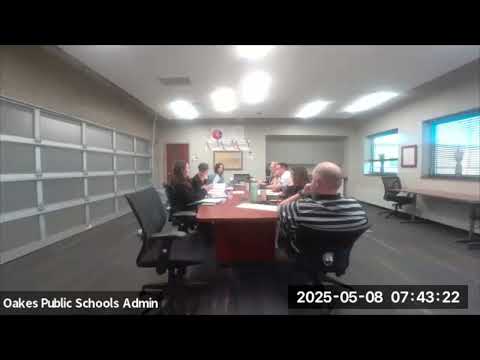
Budget and revenue items were a running thread through the May 8 negotiations meeting as negotiators weighed how possible insurance changes might be funded.
The Chair said recent district calculations show about $131,000 of additional cost over the next biennium and noted that roughly $52,000 would fall in the first year. He cautioned these are estimates: final audited property and state-aid numbers typically do not arrive until Dec. 1. "Until then, it's a best guesstimate," the Chair said when asked about worksheet accuracy, citing conversations with Don Flaherty, the county assessor, about commercial and residential valuation changes.
Participants discussed how local levies (the Chair referenced a 60-mill base and optional levies up to 70 mills) and other local receipts such as coal and oil-and-gas taxes feed into DPI calculations and can affect the district's total state aid. The Chair described how DPI subtracts certain local receipts from state payments and how legislatively imposed caps (noted as a 3% cap on levy increases) constrain the district's ability to raise revenue through local levies.
The Chair underscored the district's low reserve: budget documents show the district budgeted a carryover of about 10% of expenditures—below the industry-recommended 20%—which reduces the district's buffer against unexpected spending pressures. The group recalled a prior large one-time outlay (a floor project) that temporarily increased carryover in one year; otherwise, reserves have declined.
Why it matters: Revenue projections, levy limits and carryover levels shape how much room the district has to meet compensation and benefits demands without deeper cuts or additional levy requests.
Next steps: Staff and negotiators will continue to refine property-tax and DPI funding estimates, and negotiators asked the district to provide updated numbers before the next meeting so parties can finalize compensation tradeoffs.