Get Full Government Meeting Transcripts, Videos, & Alerts Forever!
Get email alerts on the Referendum Timing topic
No spam. Unsubscribe anytime.
New state rule narrows window for special school elections; committee weighs rush vs. better numbers
Summary
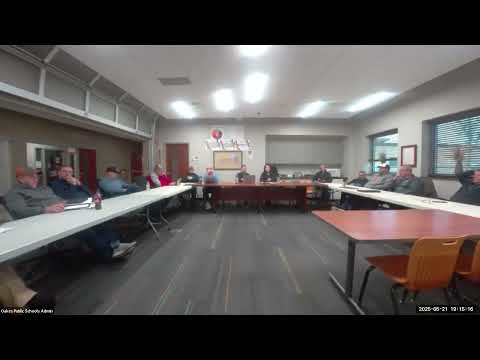
Committee discussed House Bill 1176which limits special referenda to primary or general election days. Members weighed a rushed timeline to meet the current election window against taking more time to refine cost estimates and public messaging.
Committee members discussed how House Bill 1176 restricts local governmentsand school districts from holding special referenda outside primary and general election days, creating a compressed window for any district that planned an earlier off-cycle vote.
At the meeting the Chair summarized the change: "As it sits now ... schools won't be able to call for a special election until well, I don't know. So just for example, Jamestown, we were trying to go for, honestly, like, an August or September vote, and now we're at we're escalating so that they can get the vote in," the Chair said. Anna added specifics to the committeenoting the law creates a $1,600 residential credit and caps levy growth at 3% in dollar terms, and that the next practical opportunity to call a referendum could be the June 2026 primary for many districts.
Why it matters: the statutory timing affects whether a district can ask voters for bonds this fall or must wait until a primary or general election. That decision changes the campaign timeline, contractor bidding windows, and potentially contractor availability and prices if multiple districts compete for the same construction season.
Key timeline points: committee members discussed the short calendar window to call a referendum before the June primary and noted a roughly 64-day timeline for placing a referendum, which may require a mid-March board decision to meet a June primary. Members also discussed an alternative path of bonding or other financing, but emphasized any financing still requires clear scope and accurate cost estimates to avoid misleading voters.
Next steps: the committee deferred any decision to call a vote, agreed to develop more precise cost comparisons and polling materials, and scheduled follow-up work so the board and community receive a single, consistent package of options before any public outreach. No formal vote or binding resolution was taken at the meeting.