Get Full Government Meeting Transcripts, Videos, & Alerts Forever!
Get email alerts on the School Safety topic
No spam. Unsubscribe anytime.
Whitney Point board reviews state-driven safety-plan changes; trustees weigh trauma-informed drills and parent notification
Summary
During a public safety-plan hearing, district staff outlined state-required changes including new drill counts and trauma-informed language, a new P3 tip line, and updates to parent notification rules; trustees debated notification timing, student trauma risks and confidentiality of building-level protocols.
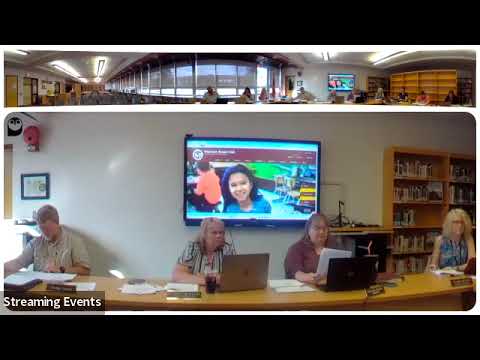
The Whitney Point Central School District held a public safety-plan hearing in which district staff reviewed revision #27 to the districtwide safety plan and explained updates required by the state.
Zachary Woodard, the district's school business executive and lead presenter for the hearing, summarized the key changes: new standardized definitions, expanded reporting and notification rules for drills, a specified measurement of drills (the presentation referenced eight fire drills and four lockdown drills), and the adoption of a more trauma-informed approach to drills and training. Staff also described a new, more sophisticated P3 tip line that replaces a previous Google-form reporting tool; the district has posters and outreach planned to direct students to that resource.
Trustees discussed how parents should be notified about drills and what level of specificity best balances preparedness against causing undue alarm. Some members emphasized that announcing drills in advance (broadly or within a weekly window) will help students and families prepare and reduce trauma; others cautioned that broadcasting drill specifics risks creating opportunities for misuse and diluting the training's effectiveness. District staff noted building-level safety plans will remain confidential for security reasons, while the districtwide plan is posted publicly and will be available for a 30-day review period before a formal vote in August and submittal to the State Education Department (SED).
Board members also raised operational items such as classroom door-locking capabilities and the district's ongoing transition to wireless card-reader access that can automatically lock doors in a lockdown. The board closed the safety hearing and will return recommended changes for approval after the 30-day public-comment period.