Get Full Government Meeting Transcripts, Videos, & Alerts Forever!
Get email alerts on the Tax Lien Sale topic
No spam. Unsubscribe anytime.
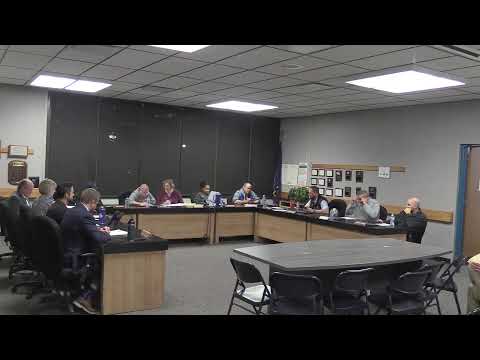
Vendor pitches tax-lien sale program as cash-flow tool to East Allegheny SD board
Summary
A vendor told the East Allegheny SD board its patented program of buying delinquent property tax liens can provide an immediate, unrestricted lump-sum payment and predictable collection reporting; board members questioned timing of collector turnover and budget impact.
At a recent East Allegheny SD board meeting, a vendor that buys delinquent real-estate tax liens urged the board to renew a tax-lien sale arrangement that would advance the district a lump-sum payment in exchange for delinquent liens, saying the structure supplies unrestricted revenue and predictable reporting.
The presenter, identified in the transcript as the company representative, said the firm is based in Erie and described the program as patented. "We're the only company in the Commonwealth, Pennsylvania that does this," he said, and added the firm has clients across the state. He told the board the company purchases delinquent tax books and advances money to school districts so the districts receive a lump-sum cash inflow rather than waiting for monthly redemptions.
The vendor described how a first-year sale brings accounts receivable current and cited an example in which combined collections and the sale produced nearly $2.5 million in the first year — figures given in the transcript whose formatting is unclear. He also said the district had budgeted a little less than $1 million that year. The presenter emphasized that, under Pennsylvania law, the transaction is treated as a sale of an asset and therefore is unrestricted revenue unless the board chooses to restrict it by resolution.
Board members pressed on timing and practical effects. A committee member asked why some tax collectors deliver turnover data as late as April or May, which delays Keystone's data entry and can push the district's receipt of funds later in the fiscal year. The presenter explained how redemption timing affects budget recognition: "the first year redemption rate is about 30% or less," he said, and because collections are spread through the full year a district may realize only a portion of that amount in the first half of the fiscal year (the presenter estimated roughly 15% for the early-year window).
The vendor repeatedly emphasized operational boundaries: it does not collect taxes, it does not add fees to taxpayers' bills, and it does not communicate directly with taxpayers. "We don't interfere with Keystone collections," he said, adding the company monitors monthly and quarterly collection reports from Keystone and shares those reports with the district business office to ensure transparency.
Committee members described why the timing matters locally: one member said the lump-sum payment arriving in March–July has helped the district meet bond payments, large charter-school invoices and payroll, and that even modest surpluses could be set aside for capital projects. The presenter said the firm will accommodate changes to collector turnover dates if the board requests them and reiterated that districts have an option to discontinue the arrangement if they later choose to do so.
No formal vote or motion on renewing the tax-lien sale appears in the transcript. The presenter invited further questions and the discussion moved to other agenda items.
The transcript includes numerical figures and lines where numeric formatting is unclear; amounts reported here are taken from the meeting record as spoken and are noted where the transcript itself is ambiguous.