Get Full Government Meeting Transcripts, Videos, & Alerts Forever!
Get email alerts on the Mtss Pbis Data topic
No spam. Unsubscribe anytime.
Conestoga Valley advances MTSS/PBIS work and plans PowerSchool analytics to centralize student supports
Summary
School administrators told the board Jan. 20 that Conestoga Valley is in year 2 of MTSS academic implementation and year 4 of PBIS work, with plans to adopt PowerSchool Analytics to centralize MTSS records, create dashboards and reduce duplicative teacher reporting.
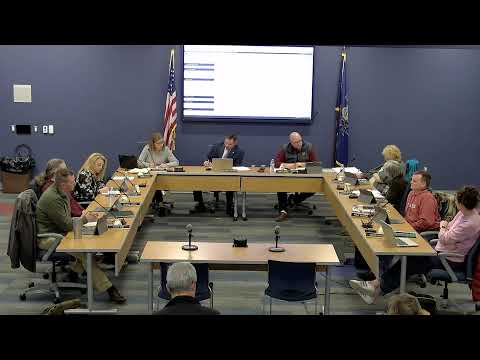
Conestoga Valley School District administrators on Jan. 20 briefed the school board on progress implementing a coordinated multi-tiered system of supports for academics and behavior and said they plan to standardize data collection with PowerSchool Analytics.
The district’s MTSS presenter (identified in the meeting as Michelle) said the academic MTSS framework is designed around three tiers: a goal of 80% of students supported in Tier 1, about 15% needing Tier 2 interventions and roughly 3–5% needing Tier 3. She described year‑2 work building a K–12 assessment plan with aligned screening, benchmarking and progress‑monitoring tools and establishing building‑level and district teams to review data and coordinate interventions.
Dr. Mann, who spoke about the district’s data‑system review, said a committee compared two platforms and will recommend moving forward with PowerSchool Analytics & Insight so MTSS records and dashboards live in the same student information ecosystem. He said the change is intended to make data retrieval easier for teachers and administrators and to allow MTSS intervention histories to follow students as they change grades or schools.
Board members asked how records transfer if a student leaves the district, and presenters said MTSS information is shared when schools submit record requests. Trustees also pressed whether the new platform would add to teacher workload; presenters emphasized the goal is simplification, not duplication, noting the district already uses PowerSchool and that grades, attendance and discipline data would populate intervention plans automatically.
Administrators outlined next steps: pilot advanced‑tier teams at select schools, finalize the MTSS dashboard development this semester, hold systemwide MTSS professional development on Feb. 13 and conduct fidelity walks (classroom learning walks focused on Tier 1 implementation). The district also plans a one‑day K–12 MTSS/behavior summit in June to review pilot results.
The presentation included usage and fidelity data: the PBIS Rewards platform reported teacher usage above 90% across buildings, and the presenter said out‑of‑school suspension rates compared favorably with national averages. Presenters reported a substantial reduction in district 'Safe to Say' referrals over two years (district figures were given in the presentation and characterized as a significant decline). Officials said they will continue to await and incorporate any state or federal guidance tied to related programs.
The board did not take formal action on the MTSS/PowerSchool recommendation at the meeting; administrators said a recommendation and further retreat discussion will precede any procurement or final approval.
The district’s next public briefing on data usage is planned for the board retreat and subsequent meetings, when administrators expect to show dashboard mockups and examples of how the platform will present group‑level and student‑level MTSS information.