Get Full Government Meeting Transcripts, Videos, & Alerts Forever!
Get email alerts on the Budget topic
No spam. Unsubscribe anytime.
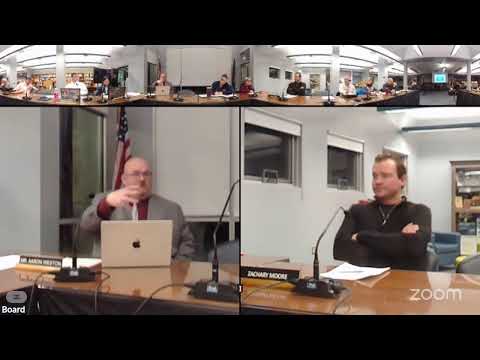
Oley Valley SD committee hears initial 2026–27 budget showing $1.9 million shortfall
Summary
At a Feb. 4 committee meeting, district presenter Mr. Wresson outlined an initial 2026–27 budget draft showing roughly a $1.9 million gap driven by rising special‑education costs, higher benefits and limited tax capacity under the Act 1 index; board members directed further committee review and revenue exploration.
Oley Valley School District finance committee members received an initial budget presentation on Feb. 4 that showed a roughly $1.9 million shortfall in the district’s preliminary 2026–27 projections.
Mr. Wresson, who led the presentation, told the committee the draft uses historical data back to 2010 and basic department projections. He said the current mills (32.1338) and the Act 1 index (defined in the presentation as 3.5%) limit how much the district may raise taxes without a referendum, and that even the theoretical maximum under the index would produce only a portion of the gap: “If we went to the max, we can do $825,000,” he said. That leaves a projected shortfall of about $1,100,000 in addition to revenue from millage changes, which the presentation summarized as a $1,900,000 structural gap in the draft.
Why it matters: the committee was shown revenue assumptions that include a 96.5% tax collection rate, an estimated decline in assessed values, and reduced interest earnings owing to expected interest‑rate declines. On the cost side, the presenter highlighted large drivers: salaries and benefits (about 64.8% of expenditures), rising medical insurance costs (more than doubled since 2010), higher retirement contribution assumptions, and increased special‑education outlays (presented at roughly $5.8 million for 25‑26).
Board members pressed on specifics. One member emphasized that county property assessments have not been updated in decades and cautioned assessed values do not equal market values. Dr. Markley and others focused on the rising cost of related services, saying contracted specialists (school psychologists, RBTs and other certified providers) are expensive and difficult to recruit. “We have to look at the periphery things,” a board member said, noting overtime and consultant costs as potential reduction areas while acknowledging the necessity of services for students with needs.
The presenter underscored uncertainty in state policy timing and changes, including cyber charter remedies and governor‑proposed education funding, which could affect final figures: “We have to make very scientific educated guesses,” he said. The committee was told staff and standing committees will continue first‑, second‑ and tertiary reviews and that a follow‑up budget update will be provided on March 4.
What the committee directed: members asked administration to continue refining assumptions, pursue potential revenue opportunities, and present more granular, department‑level line‑item detail in future meetings. Several board members urged outreach to municipal partners to broaden the local tax base and lessen homeowner burden.
Next procedural step: this was an informational, first‑pass presentation. Motions or final votes on the budget were not recorded at this meeting; the committee expects another official update on March 4.