Get Full Government Meeting Transcripts, Videos, & Alerts Forever!
Get email alerts on the Day Treatment Program topic
No spam. Unsubscribe anytime.
Residents urge Millersburg Area SD to reject in-school day-treatment plan, citing safety and staffing concerns
Summary
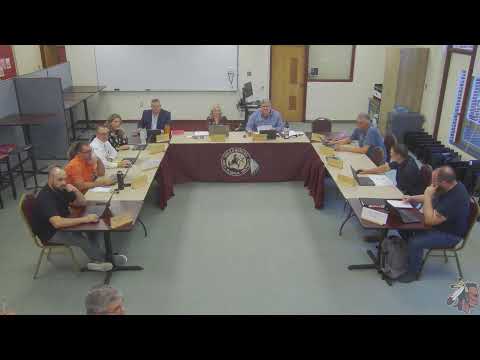
During public comment at a Millersburg Area School District work session, two residents urged the board to vote down a proposed in-school day-treatment program, raising concerns about mixing older (up to age 20) students with younger students, unclear bathroom arrangements, insufficient staff and strained district resources.
Two residents used the board's public-comment period to urge Millersburg Area School District trustees to reject a proposed in-school day-treatment program, arguing it poses safety and staffing risks.
"It seems the plan is to take these children, put them in a basement," said Mr. Wario, who signed up to speak. He told the board that community reaction to the district's answers about the proposal had been negative and that the plan felt "reactionary" rather than proactive. Wario raised concerns about staff-to-student ratios (he cited a 1-to-8 ratio as too small), logistics for meals and the ability of the existing security guard to manage higher-risk students.
"In Pennsylvania, an individual can attend a high school to the age of 20," said Mr. Dewey, the second commenter, saying that legally adult students could be placed near younger pupils under the plan. Dewey also said the district's PowerPoint and verbal descriptions conflicted: officials told the board that the program would use distinct bathroom locations, but other materials indicated the program would occupy locker rooms or shared gym spaces. He warned the program could "pull resources"—including the school nurse, cafeteria staff and teachers—away from other students and urged the board to vote no.
Neither commenter described a formal board vote on the program during the work session. Board members acknowledged the comments and proceeded with agenda items; no formal action on the day-treatment proposal was recorded in the session transcript.
Why it matters: Commenters framed the program as a districtwide operational decision with potential effects on student safety, staffing and facilities usage. Trustees received at least two extended public objections that highlighted legal, logistical and resource questions the board may need to resolve before approving or implementing such a program.
Next steps: The work session record does not show a board vote or a staff presentation resolving the discrepancies commenters highlighted. The board moved on to presentations and a separate agenda vote later in the meeting.