Get Full Government Meeting Transcripts, Videos, & Alerts Forever!
Get email alerts on the K12 Curriculum topic
No spam. Unsubscribe anytime.
Kutztown committee forwards high‑school curriculum tweaks, seeks clarity on dual‑enrollment credits
Summary
The district committee approved forwarding proposed high‑school curriculum edits — including graduation‑readiness options, prerequisite updates and several new courses — to the full board and asked staff to clarify language around dual enrollment and AP credit with partner colleges.
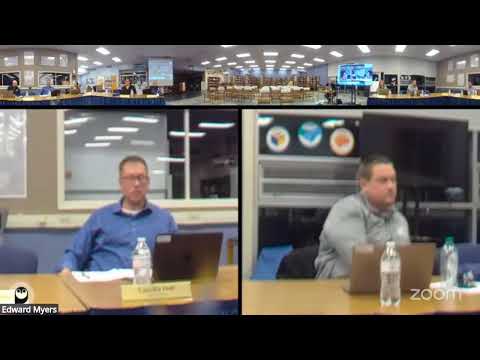
A policy and curriculum committee meeting of the Kutztown Area SD on Feb. 9 reviewed proposed edits to the high‑school program of studies and voted to send the package to the full board for approval.
A staff member who presented the packet described new graduation‑readiness pathways and participation levels, saying the district is offering students multiple routes to meet requirements through programs “BCTC senior seminar, independent study, college courses and internships.” The presenter reported roughly 106 seniors in the cohort with about 22 attending BCTC, 38 in the senior seminar, about nine taking off‑campus college courses and 15 in internships.
The presenter also described edits intended to improve family communication, including removing some PSAT‑linked requirements and a few mandatory writing prompts so students are not deterred from taking courses. On prerequisites, the packet notes examples such as an 85% recommendation threshold for AP Chemistry from honors chemistry and specific thresholds for AP Human Geography and advanced studio art.
Committee members concentrated much of the discussion on the difference between AP courses and local dual‑credit or concurrent agreements with partner colleges. One committee member capturing common confusion said bluntly that distinction matters for students’ college credit: AP course credit depends on the AP exam and the receiving college’s policies, while locally approved concurrent/dual‑credit courses depend on a partnering institution’s approval and whether a teacher meets that institution’s instructor criteria. A staff member summarized the operational point: “the teacher themselves is a big part of that process” and district staff will confirm which courses qualify as dual credit with regional partners.
After questions and a request that staff clarify the program‑of‑studies language and any broken links in the packet, the committee voted to forward the curriculum adjustments to the full board. The committee recorded vocal approval at the meeting; individual roll‑call votes were not included in the transcript.
The full board will receive the revised program of studies and the committee’s recommendation; staff said they will provide clearer language distinguishing AP, dual enrollment and concurrent/dual‑credit courses and confirm RACC/partner‑college requirements before the full‑board meeting.
The committee also directed staff to ensure junior families are better informed about the opportunities and upcoming events such as a financial‑reality fair scheduled for the month.