Get Full Government Meeting Transcripts, Videos, & Alerts Forever!
Get email alerts on the Student Policy Devices topic
No spam. Unsubscribe anytime.
Jenkintown SD committee proposes K–12 personal-device limits; board to implement procedures this fall
Summary
A 23-member committee recommended tiered rules for personal devices—limited change for K–6, 'away for the day' for grades 7–9 and off/away for grades 10–12—paired with a K–12 digital citizenship curriculum, family communications and a six‑month check-in; administrators may implement an administrative regulation ahead of formal policy adoption.
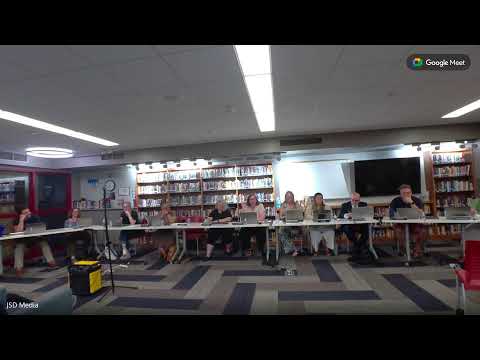
A committee made up of educators, parents, students, administrators and board members on Aug. 18 presented a proposed K–12 personal-device policy that would substantially limit student use of phones and other personal digital devices during the school day.
The committee lead (speaker 5) told the board the proposal was built on research about screen time, adolescent development and academic focus and was designed to provide consistent boundaries while offering supports for students with documented needs. The committee reported 23 members and regular summer meetings to develop the procedures.
Key elements of the proposal:
- K–6: minimal operational change; district-issued Chromebooks remain the primary learning device. The committee emphasized that young children are not developmentally ready to self-monitor device use. - Grades 7–9: largest changes recommended. The committee proposes an ‘‘away for the day’’ approach that removes personal devices from the classroom and common areas for these transitional grades to reduce distractions and support emotional regulation. - Grades 10–12: devices would be off and off‑the‑body or stored in teacher-provided locked storage units during class time, with allowances for brief checks for college or family messages. - Exemptions and flexibility: the proposal includes accommodations for documented medical needs, volunteer first-responders and other exceptional circumstances and rejects overnight confiscation as an equity concern. - Education and communication: the committee recommended a K–12 digital citizenship curriculum for students and staggered communications to families (website notices, back‑to‑school nights, assemblies and handouts). The committee also proposed a six‑month implementation check and ongoing data collection at the administrative level to adjust procedures.
"Removing these distractions promotes stronger social skills, improved attention spans and a more engaging learning environment," the committee lead said, adding that the district already provides district-issued Chromebooks and Google classroom tools to replace many informal texts and notifications.
Board members and staff discussed logistics during Q&A: options for classroom storage (Faraday bags or centralized lockers), handling mixed‑grade electives, and alternatives for coaches and extracurricular leaders to communicate with students (Google Classroom, email). The superintendent and other board members said administrators can roll out an administrative regulation and communicate the new procedures to families before a formal board vote, and they emphasized a clear front‑page website contact list for parents who need to reach students during the school day.
Regina Muldoon, a parent and committee member, spoke during public comment to thank the board and urge the district to accompany policy changes with the committee's proposed wellness curriculum.
Next steps: district staff were authorized to draft an AR, distribute educational materials, and present implementation updates to the board; the board plans a substantive review at a six‑month check-in.