Get Full Government Meeting Transcripts, Videos, & Alerts Forever!
Get email alerts on the Graduation And Assessments topic
No spam. Unsubscribe anytime.
Jenkintown principal outlines five graduation pathways, cites 51-of-51 cohort graduation and AP performance
Summary
The district principal reported a 100% cohort graduation rate for the prior year (51 of 51), broke down the five state-recognized pathways to graduation, and reviewed AP performance and instructional interventions to boost scores.
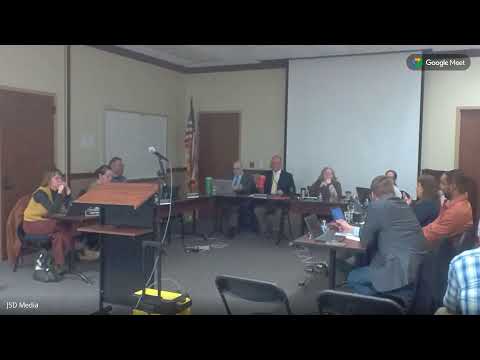
At the Jan. 12 meeting, the principal (speaker who self-identified as principal) presented the district’s approach to graduation and college-readiness measures, emphasizing that last year 51 of 51 students in the graduating cohort earned diplomas and describing the five Pennsylvania graduation pathways under Act 158.
The principal said Jenkintown’s basic local diploma requires 25 credits and summarized the five pathways: Keystone proficiency (proficiency on three Keystone exams), a Keystone composite score option, career and technical education (through Eastern, which can meet Keystone pathway requirements), alternative assessments (PSAT/SAT/ACT or acceptance to a four-year university), and a pathway combining credits with three additional criteria (graduation project, internship, or college acceptance). He said the district retains a local graduation project (30 service hours) that students present to panels as part of the pathway mix.
On cohort data, the principal said that of 51 graduates last year: 20 earned diplomas via the Keystone proficiency pathway, 11 via the Keystone composite, 6 via career/technical pathways, 11 via alternate assessments or other criteria, and 1 via an IEP pathway; the district used two of the state’s 5% waivers (examples cited: a student identified as homeless who arrived in 11th grade and a transient student).
The principal also reviewed AP trends using College Board reports, noting that small cohort sizes can skew percentages. He highlighted that 10 students took AP U.S. History last year and that all 10 scored a 3 or higher, with 90% scoring a 4 or 5. To address performance gaps, the principal described classroom interventions, including benchmarked writing practice, document‑based question instruction, and a guided-study algebra class for students struggling in Algebra I.
The presentation closed with the principal’s note that the district tracks cohort-level data beginning as early as sixth grade, holds IGP (individual growth planning) meetings with families, and will continue multi-year data comparisons to inform interventions.