Get Full Government Meeting Transcripts, Videos, & Alerts Forever!
Get email alerts on the Homelessness topic
No spam. Unsubscribe anytime.
Conestoga Valley social workers report rise in homeless students, highlight Bridgeport housing project
Summary
District social workers told the school board that McKinney-Vento identifications have risen quickly this spring, now at 207 students (including preschool siblings), and outlined community partnerships and a new Bridgeport housing project aiming to add 12—15 low-income units to help families.
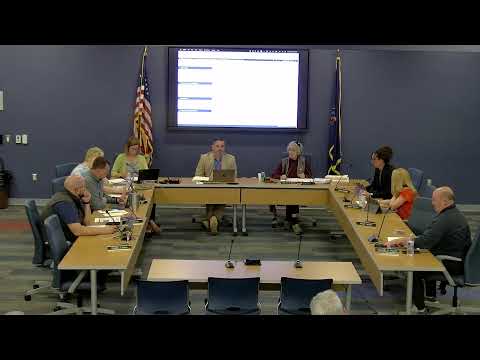
Conestoga Valley elementary and high-school social workers told the board April 22 that homelessness among students has climbed sharply and that community partnerships are central to meeting needs.
"Since last Monday, we have had seven additional students identified as homeless, which puts our numbers at 207," said Katie Reif, the districtelementary social worker, summarizing district McKinney-Vento counts and distribution across schools. She said 52 of the identified students attend the high school; 38 attend the middle school; Brownstown had 11, Fritz 16, Leola 21 and Smoketown 27. The count also includes two private-school students and about 30 younger siblings aged 0—5.
Reif and high-school social worker Carla DiClemente described the social-worker role at each level: individualized behavioral supports and family case management at elementary; attendance and truancy work at middle school; and outreach, truancy court follow-up and grief group work at the high school. They said most newly identified cases arise from eviction, job loss, domestic violence or family separation and that many students are doubled-up with other families.
The presenters credited community partnersPower Packs, Seeds, Bridge of Hope, Modernize and the district ministeriumwith direct support, including an arrangement that allows social workers to purchase immediate needs and seek reimbursement from the ministerium.
Reif also described a recently finalized partnership that produced a locally developed Bridgeport Housing Project. "A property was purchased in Bridgeport that is now dubbed the Bridgeport Housing Project," she said, adding that the development partners include Chestnut Street Housing, Seeds, the Forest Hills Mennonite Church and Bridge of Hope. The presenters said the project will build about 12 to 15 low-income units over the next two to three years at a total cost estimated at $3—million to $4—million.
Board members asked how social workers balance attendance work with broader family needs. DiClemente said attendance often serves as a "red flag" that opens an investigation into housing, health or other barriers; interventions include home visits, coordination with school nurses and counselors, transportation arrangements and Truancy Court follow-up.
The board expressed appreciation for the partnerships and asked administration to keep the board updated on housing developments and supports for transportation and mental-health referrals. The presenters emphasized that the district uses McKinney-Vento protections (including transportation and instant enrollment) to ensure access for homeless students.
The presentation closed with the board thanking staff and asking for periodic updates as the Bridgeport project and other partnerships move forward.