Get Full Government Meeting Transcripts, Videos, & Alerts Forever!
Get email alerts on the Enrollment And Assessment topic
No spam. Unsubscribe anytime.
Conestoga Valley SD: district data shows modest enrollment shifts, double‑track on proficiency and targeted interventions planned
Summary
Conestoga Valley School District presented 2025 enrollment and assessment results showing a small overall enrollment uptick versus projection, a decline at elementary and secondary levels, and achievement gains (about 15% increase in elementary math proficiency) while emphasizing MTSS, targeted interventions, an IXL license moving to the general fund and a Classroom Mosaic pilot.
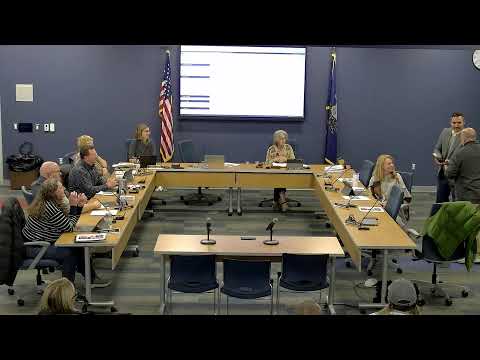
Conestoga Valley School District leaders on Nov. 17 presented their 2025 enrollment snapshot and assessment results, saying overall enrollment closely matched state projections but that elementary and secondary grades saw modest declines and that math proficiency at the elementary level has improved substantially.
At an evening board meeting, Mr. Hunsicker, who delivered the enrollment report, said the district’s Oct. 1 snapshot recorded 3,712 students compared with a PDE projection of about 3,698 for 2025–26, a 14‑student variance. He reported 508 births in the district for 2025, a data point the district uses to forecast future enrollment, and noted elementary enrollment decreased by 79 students while secondary (middle and high school) declined by 46.
District presenters framed assessment results with both achievement and growth measures. One presenter said, “Over the course of post COVID years here, we’re up about 15 percent in elementary math,” and added that equates to roughly 120 more students reaching proficiency than before the instructional changes. The presenters credited adoption of new core resources, middle‑school Desmos materials and sustained fidelity checks for that gain.
Board members pressed staff on supports for students who remain below proficiency. A presenter described the district’s MTSS (multi‑tiered system of supports) approach — layered small‑group interventions, targeted phonics work, and more intensive tiers when students do not respond — and said the district is using DIBELS, AcadiANS and other diagnostic tools to identify gaps and plan interventions.
The presentation also covered digital and curriculum tools. District staff said the IXL license previously funded through ESSER will be added back into the general fund next year and that the Classroom Mosaic app will be piloted in spring as a learning‑walk tool to collect classroom observation analytics. The superintendent noted an AI task force is exploring paid AI tools that include data‑protection and licensing assurances before wider adoption.
Why it matters: the board said the combination of modest enrollment shifts, targeted curricular investments and stronger instructional fidelity should help preserve recent achievement gains while allowing the district to focus intervention resources where growth data indicate the greatest need.
The board requested additional grade‑level breakdowns (for example, a single‑grade snapshot showing the color‑coded performance bands) and more detail on the district’s homeless‑status trends so directors can track whether particular grades or groups are driving the averages. Staff responded that the underlying student‑level and cohort growth data are available and that the team will provide a simplified, board‑focused snapshot at a future meeting.
The district did not propose any immediate curriculum adoptions beyond Classroom Mosaic and the IXL funding shift; presenters described the plan as “stay the course” with targeted investments and additional professional learning to sustain fidelity.