Get Full Government Meeting Transcripts, Videos, & Alerts Forever!
Get email alerts on the Nonprofit Grants topic
No spam. Unsubscribe anytime.
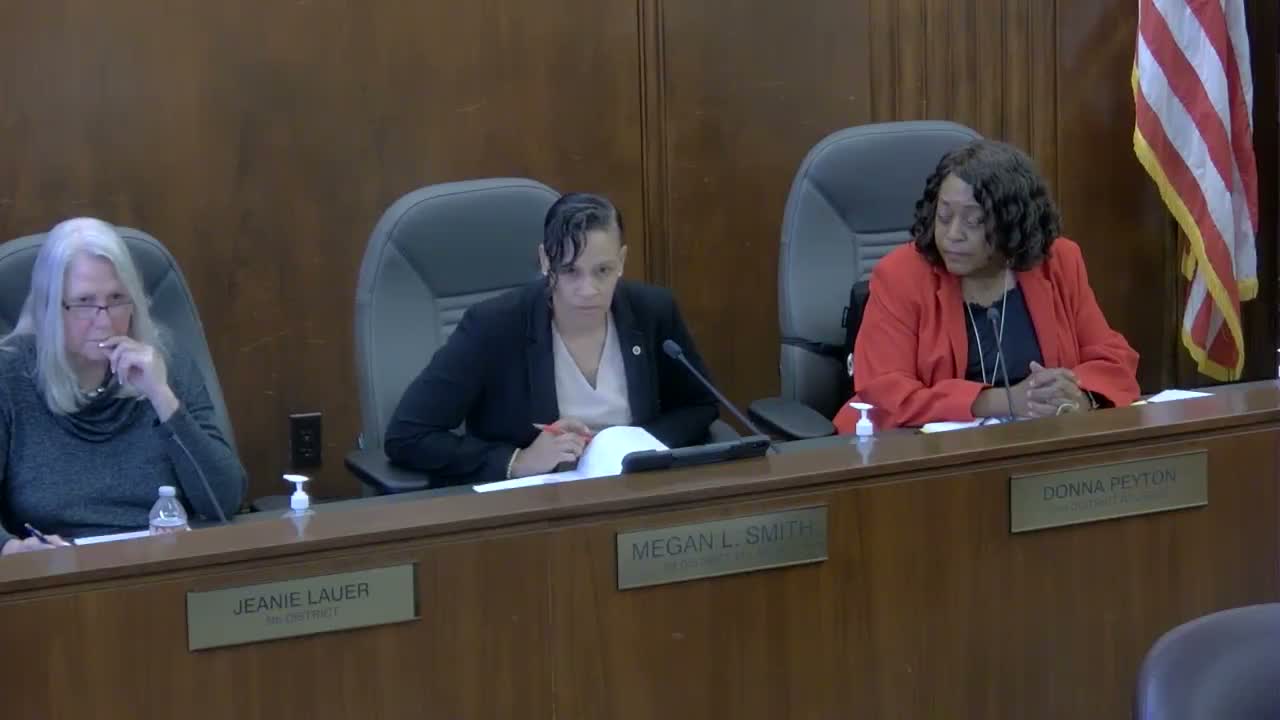
Jackson County legislators press administrators on nonprofit grant rules, reimbursements and oversight
Summary
Legislators questioned why the county no longer calls the funding ARPA, whether grants are reimbursable or paid up front, the $1.5 million cap per applicant and how compliance will monitor recipients; staff said payments are typically reimbursable but that upfront grants are possible and compliance will retain records and perform periodic checks.
During county communications the legislature focused substantial time on a nonprofit partnership grants program and the parameters for awards. A lawmaker raised whether the funds should be called ARPA; Theresa Garza, chief of staff, said because the dollars already were received they are being administered as nonprofit/undesignated grant funds rather than ARPA funds submitted to the federal government plan.
Legislators pressed the cap in the program (described in materials as $1,500,000 per applicant, with rare exceptions) and asked who would decide what qualified as a rare exception; the chair and members said the legislature would need to approve any exceptions. A recurring practical concern was whether awards are reimbursable or paid up front. Compliance staff said the usual practice is reimbursement for incurred expenses, but that the county can structure one-time grants that provide upfront payment depending on the award terms.
Lawmakers also asked about oversight and accountability. Compliance staff said recipient programmatic records will be kept for five years and that periodic accountability checks are performed, though committee members requested a clearer schedule and reporting back to the legislature on how and when those checks occur.
Several legislators expressed concern that a reimbursement-first approach would disadvantage smaller nonprofits that cannot front large purchases and urged staff to consider mechanisms to allow organizations without available cash on hand to participate. County administrators said they will work with the compliance and audit offices to develop clearer guidance on advance payments, reimbursement documentation and accountability checks and will return recommendations to the body.
The discussion did not result in a final change to the program parameters at the meeting; staff committed to follow up with additional details for the legislative body.