Get Full Government Meeting Transcripts, Videos, & Alerts Forever!
Get email alerts on the School Budget topic
No spam. Unsubscribe anytime.
Nyssa School District 26 proposes $48.29 million 2025–26 budget with $3 million facilities transfer and expanded virtual program
Summary
The district presented a balanced proposed 2025–26 budget totaling about $48.29 million, with a general fund of roughly $35.17 million, increased reserves, planned transfers to a $3 million facility-management fund and a bus-replacement fund, and investments in virtual learning and staff pay. The budget will proceed to the school board next week.
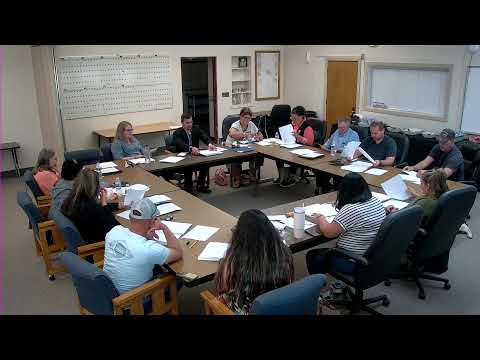
Superintendent John Collard presented the Nyssa School District 26 proposed 2025–26 budget to the budget committee, calling it a balanced plan that prioritizes staffing, virtual-program stability and facility investment.
"Dear Nyssa School District community, I am pleased to present the 2025–26 proposed school budget," Collard said, introducing a spending plan that the budget document shows at $48,288,783.95 in total resources and expenditures and a general fund of about $35,165,820.
The proposal reflects state-level and local drivers. Collard noted the governor's proposed State School Fund allocation and legislative uncertainty, and the presenter explained how virtual-school enrollment and related revenue have materially affected the district's projections. "This year's proposed budget reflects our ongoing commitment to strengthening our educational community through strategic investment and support," he said.
Why it matters: the budget sets staffing and program priorities for the coming year, locks in contingency and reserve levels that the board adopted as policy, and routes one-time and ongoing transfers that will affect facility work, bus replacement and other district services.
Key numbers and priorities - Total proposed budget (all funds): $48,288,783.95 (as shown in the budget document). - General fund proposed total: about $35.17 million. - Beginning fund balance (estimate as of April 30): a little over $6.5 million. - Contingency and reserves: the budget includes a 5% contingency (policy minimum) and a 9% reserve, the presenter said, representing roughly $4.7 million set aside as the district's savings. - Major transfers: the plan includes transfers from the general fund to internal accounts, including a roughly $125,000 transfer toward bus replacement and a planned $3,000,000 transfer to the facility-management fund to support a five-year facilities plan; the budget also creates a dedicated turf-replacement reserve funded initially with about $50,000 a year.
Pension and labor costs drove much of the discussion. The presenter described employer PERS (Public Employees Retirement System) rate increases effective July 1: for one cohort the rate rises from about 27.87% to 29.7% and for another from about 25.03% to 26.52%, with the district also covering a roughly 6% employer pickup. "Those increases are built into the payroll costs," the budget presenter said, and they account for a significant portion of year-over-year expenditure changes.
Instructional and program changes The budget adds targeted positions and adjusts program lines: an elementary physical-education teacher, a middle-school language position, and additional staffing for the district's virtual (online) school, which the presenter expects to remain a major revenue and expense driver. The district's virtual program contract with OpenEd is reflected in higher purchase-services and technology lines.
Federal and restricted funds The presenter reviewed Title I, II, III and IV allocations and migrant funding consolidation. She noted some federal programs are projected flat and that specific grant budgets (for example, title-driven licensure or summer migrant allocations) are subject to state approval and enrollment trends.
Food service, scholarships and special funds Food service was identified as running in the negative for the current year; the presenter proposed using internal transfers to help the program reach breakeven and said she projects a roughly $72,000 year-end breakeven under the proposed transfer plan. The budget also documents scholarship funds and donor-restricted accounts such as the Ewing Ford Fund (about $68,000 available for student athletics assistance).
Debt and long-term capital The district's debt service (bond used to build a middle school) remains a scheduled obligation; next year's debt payment was reported at about $475,000. To address aging buildings the budget proposes a $3 million transfer into a facility-management fund tied to a multiyear investment plan.
Procedure and next steps The budget committee will continue its review, record community testimony, and is scheduled to send the approved budget and levies to the school board next week for formal adoption. Collard and district staff said they will be available for follow-up questions.
Ending note Committee members thanked the presenter for the work on the budget and praised the document preparation; staff noted some figures (grant awards, federal program allocations and enrollment-driven funding) could change if state or federal allocations are adjusted.
(Reporting based on the Nyssa SD 26 budget-committee meeting transcript; figures reflect the budget document and in-meeting statements.)