Get Full Government Meeting Transcripts, Videos, & Alerts Forever!
Get email alerts on the Board Training topic
No spam. Unsubscribe anytime.
Nyssa SD 26 board training flags data use and cultural responsiveness as priority goals
Summary
An OSBA facilitator led a board self-evaluation review that identified budgeting and community engagement as strengths and named innovation, data practices and cultural responsiveness as the top areas for improvement; the board agreed to integrate findings into its near-term strategic planning.
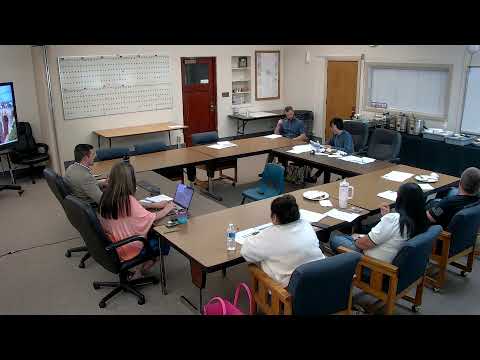
Kristen Miles, director of board development at OSBA, led a training session with the Nyssa SD 26 board that reviewed the results of a recent board self-evaluation and outlined next steps for turning the report into actionable goals.
"If I just hand it to you and you walk out with it, it really only needs something if, you make a plan for action," Miles told the board as she urged members to convert the self-assessment into specific targets and timelines. By the numbers, the board rated itself strongest on budgeting and financial accountability, community engagement, and vision-directed planning, Miles said.
Board chair Patra Naca said the front page of the report showed "that of those 12, 6 had a little red bars on them, which indicated that, those were things that we need help with," highlighting concerns about culture and climate and the board’s use of data.
Miles walked the board through several areas flagged for improvement, naming innovation and creativity, using data for continuous improvement and accountability, and cultural responsiveness as the lowest-rated standards. She emphasized that "data" should be interpreted broadly to include family surveys, financial reports and locally gathered information, not only state test scores.
Discussion among members focused on concrete outreach and engagement practices. Board members described efforts to increase visibility—taking surveys to community events, bringing translators when needed, and attaching board presence to campus and parent advisory council meetings—and flagged that digital packet delivery has made it harder for some members and residents to engage with materials ahead of meetings.
Miles recommended aligning evaluation findings with the district’s strategic plan and picking a small number of discrete, timebound board performance goals to monitor progress. She also offered to return to the district and to provide additional materials; she reminded the board that remaining OSBA rural scholarship funds must be used by June 30.
The board agreed to incorporate feedback into its planning timeline, with a goal of having usable input ready by the board’s June meeting so staff and board can translate those priorities into measurable actions.