Get Full Government Meeting Transcripts, Videos, & Alerts Forever!
Get email alerts on the Dual Language Program topic
No spam. Unsubscribe anytime.
Teachers say dual‑language conference renewed momentum for Nyssa SD 26 bilingual program
Summary
Teachers who attended a dual‑language conference reported strategies to strengthen the district’s 50/50 bilingual model: handbook revision, biliteracy planners, targeted professional development and increased opportunities for students to process learning in their home language.
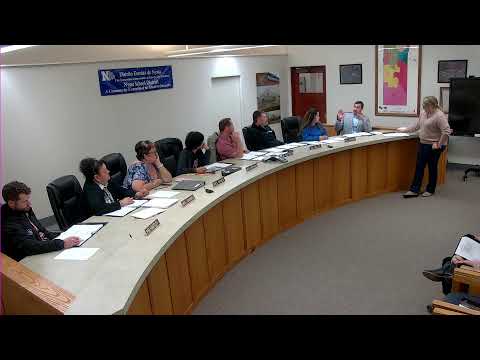
A team of Nyssa School District 26 teachers told the board Dec. 8 that a recent dual‑language conference reinvigorated the district’s K–12 bilingual program and produced concrete recommendations for curriculum alignment and staff training.
Presenters described the conference roadmap — eight characteristics of a successful dual‑language program — and recommended the district revise its handbook to include family testimonials, adopt a 50/50 model rubric where appropriate, schedule biweekly teacher planning and create biliteracy planners so partners can coordinate instruction across languages. “We need to allow our students to have an opportunity to process what they're learning in their home language,” a teacher said, describing instructional strategies that both honor students’ home languages and support English‑language development.
Why it matters: Teachers told the board that most district students are English learners or migrant students and that intentional, coordinated bilingual instruction can reduce gaps in achievement while boosting bilingualism and biliteracy. Staff recommended more dual‑language professional development targeted to classroom practice rather than general professional learning.
What teachers proposed: Presenters suggested stronger curricular alignment across classrooms and grades, more frequent collaborative planning time for teaching partners, targeted professional development in bilingual methods and assessment tools that are designed for biliteracy rather than simple translation. They shared classroom practices such as anchor charts and translanguaging in literature to support students’ development in both languages.
Community response: A parent volunteer who has supported the program for roughly a year praised the district’s investment and urged continued K–12 integration and outreach. Teachers and administrators discussed ideas for family engagement, a parent advisory board and potential guest authors/performers to bring bilingual literature and culture to the district. Board members also raised the possibility of study or exchange trips to Mexico to deepen cultural learning for students.
Next steps: Teachers asked for a follow‑up report near the end of the school year on how the district is coalescing ideas into practice; the board encouraged staff to bring more detail on timelines, curricula and required resources as work continues.