Get Full Government Meeting Transcripts, Videos, & Alerts Forever!
Get email alerts on the Superintendent Evaluation topic
No spam. Unsubscribe anytime.
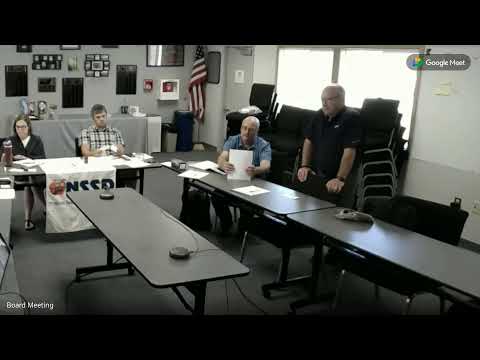
North Santiam SD 29J board weighs changes to superintendent evaluation and governance practices
Summary
The board discussed simplifying the superintendent evaluation tool, clearer scoring rubrics, regular midyear check-ins and revisions to the board's working agreements. Members volunteered to wordsmith the language and to schedule a special session to finalize the evaluation process.
Board members spent substantial time reviewing the superintendent evaluation process and the district's working agreements, seeking to reduce redundancy and make scoring more consistent.
Several members described the current instrument as repetitive and confusing. "The process has an optimal timeline, and we've not met that optimal timeline for the last few years," one member said, urging a clearer schedule to allow thoughtful responses. Another said members come at scoring from different standards and asked for defined criteria so everyone evaluates the superintendent consistently.
Why it matters: The evaluation is the board's primary mechanism for oversight of the superintendent, and members argued a simpler, timelier process would lead to clearer feedback and better follow-through. Suggestions included clearer rubrics that define what a score of 5 looks like, midyear checkpoints to prevent surprises at final review and assigning small subgroups to draft revised language.
What the board agreed to do: Volunteers (named during the meeting) offered to "wordsmith" particular items in the operating agreement and evaluation instrument and to pilot a more concise rubric. The board discussed holding a dedicated special meeting to focus only on the evaluation so the work is not rushed at the end of a long board night.
Board governance conversation: Separately, members discussed the board's role in community engagement and clarified the difference between board committees (public, agenda-driven), superintendent-led committees (staff-led, with board representation possible) and district operational committees. Several members said they will represent the board on upcoming district committees (negotiations, student rep selection) and explore community outreach commitments.
Next steps: Board leadership will gather the suggested edits from the volunteers, prepare draft evaluation language and circulate a proposed schedule and rubric for review ahead of a special session. Staff will also produce a short primer on the complaint-resolution flow and mandatory-reporter responsibilities to refresh members.