Get Full Government Meeting Transcripts, Videos, & Alerts Forever!
Get email alerts on the School Budget topic
No spam. Unsubscribe anytime.
Gresham-Barlow SD 10J finance director warns of $15 million–$21 million shortfall over two years
Summary
Finance director Pete Bejerano said the district faces growing pension and operating costs, declining enrollment and uncertain federal funding that together require $15M–$21M in reductions over two years; he urged public input on priorities.
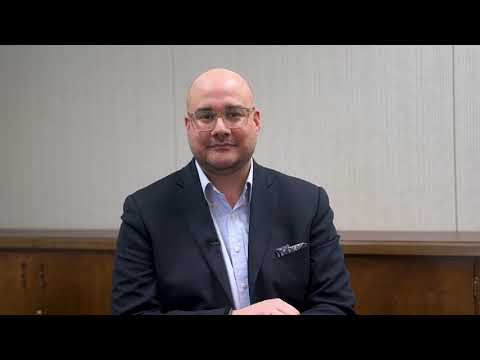
Pete Bejerano, the director of finance for Gresham-Barlow SD 10J, told a public budget presentation that the district faces multi-year budget pressure that will require significant spending reductions.
Bejerano said the district’s ending fund balance is projected at $10,200,000 at the end of the school year and noted, “It functions like a savings account,” used previously to maintain payroll and start emergency repairs. He added that one day of school operations costs about $710,000, meaning current reserves cover roughly 14 days of school, and that the district is below the board’s policy minimum of an 8% ending fund balance.
The shortfall, Bejerano said, is driven by several cost increases that outpace modest revenue growth. The district expects general fund revenue to grow about 3% next year, while staff wages are projected to rise more than 4%, electricity costs about 8% or more, and insurance nearly 12%. Bejerano also cited rising employer contributions to the Public Employees Retirement System (PERS) when markets underperform.
“PERS is the public employee retirement system which all district employees participate in,” he said, explaining the program’s dependence on investment returns and how increased PERS rates raise employer costs.
On the size of cuts needed, Bejerano said the district currently estimates it will need to cut between $7.5 million and $13 million from next year’s budget; he also said $8,000,000 in reductions are already built into the current year. Together, he said, those amounts would total between $15,000,000 and $21,000,000 over two years. Bejerano warned that reductions of that size would “affect every school and department, resulting in staffing reductions and changes to educational programs.”
He noted declining student enrollment as another pressure on revenue and pointed to recent federal legislation cited as “HR 1” in the presentation that is projected to reduce Oregon’s revenue collections; Bejerano said the legislature will review proposed cuts in February. He also cautioned that congressionally approved grants have at times been frozen at the executive-branch level, adding uncertainty to federal timelines.
Bejerano described the district’s use of core guiding principles and an equity-based decision-making process to prioritize cuts and urged community members to participate in a short online survey to share priorities. “We need to hear from you,” he said.
The presentation did not include formal board motions or votes; Bejerano framed the session as informational and a prompt for public input. The district’s next formal budget steps and any specific staffing or program decisions were not specified in the presentation.