Get Full Government Meeting Transcripts, Videos, & Alerts Forever!
Get email alerts on the Attendance topic
No spam. Unsubscribe anytime.
Brookings‑Harbor officials report rising regular attendance; district data lag noted
Summary
The district’s integrated programs report showed gains in regular attendance — two buildings in the mid‑70s and one near 80% — above the state average of 68. Administrators said more timely, real‑time dashboards are needed to guide next steps.
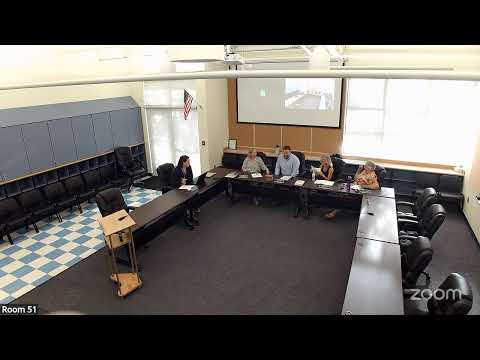
At a Brookings‑Harbor SD 17C board meeting, the district test coordinator presented the district’s Student Investment Account (SIA) integrated programs report for 2023–24 and said key attendance measures are improving. “We are doing much, much, much better,” the district test coordinator said, noting “two buildings that are mid seventies, one almost at 80% regular attenders” while the state average remains 68.
Board members framed attendance as driven by relationships and safety rather than single interventions. The board chair pressed for systems that give leaders more timely information; one board member said, “I can’t stand looking back at something from two years ago,” arguing real‑time visibility would help planning and budgeting.
Administrators said the 2024–25 dataset remains embargoed until district review and ODE verification but that local dashboards already exist in some schools. The presenter described classroom and elementary‑level boards that display daily attendance, and said the district expects to share official 2024–25 results at the October meeting once ODE releases the data.
District enrollment also featured in discussion. The presenter said the district’s official enrollment that day was about 1,250 students, down from 1,299 last year, and cautioned the number could change during the first weeks of school as records and transfers settle.
The board did not take formal action on attendance beyond receiving the report; administrators outlined next steps including continued monitoring, sharing embargoed data with the board when it becomes public and exploring real‑time reporting tools.