Get Full Government Meeting Transcripts, Videos, & Alerts Forever!
Get email alerts on the Special Education topic
No spam. Unsubscribe anytime.
Special-education enrollment at Cascade SD 5 approaches 18% as district cites staffing strains
Summary
The district's director of special services told the board Cascade SD 5 serves roughly 466–470 special-education students (about 17%, moving toward 18%), an increase of nearly 100 students since 2020; some students require multiple adults and nursing support, prompting staffing and program concerns.
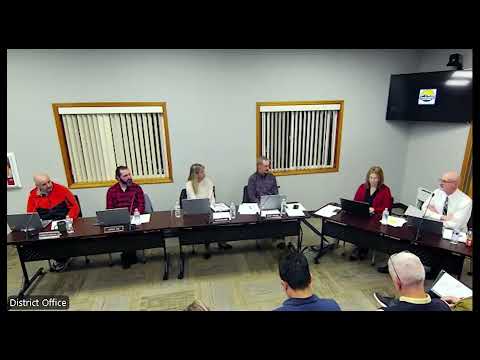
Cascade School District's Director of Special Services, Miss Johnson, told the board the district currently serves roughly 466 special-education students (and is now likely near 470), representing about 17% of the student body and edging toward 18%.
"We're about 17%, but we're actually starting to push more towards 18%," Miss Johnson said, noting the district has seen nearly 100 additional special-education students since 2020 and that service levels vary widely (some students require up to three adults plus an LPN at one time). She said the Oregon Department of Education and federal IDEA guidance historically used a 15% norm but that many districts now exceed that share.
Johnson explained the rise reflects multiple factors: clarified identification guidelines, families moving into the district for services, and broader trends in identification. She described the district's process for identifying students (interventions, a data cycle and continuous team meetings) and emphasized efforts to avoid over-identification while responding to growing needs.
Board members asked about staffing and planning; Johnson said the district employs about 60 classified special-education staff, roughly 20 teachers and three speech-language pathologists to serve a wide range of needs, and stressed that each percentage point can represent dozens of students and significantly affect staffing loads and budgets.
The board did not take formal action on the report but praised classified staff for their work and asked for continued monitoring and regular reporting on staffing and program capacity.
Next steps
Miss Johnson said staff will continue to track enrollment and staffing needs and that the district will bring clarifying data to future meetings, including how the special-education population is distributed across buildings and what additional supports might be needed.