Pickerington proposes free all‑day kindergarten, plans ‘kindergarten village’ at Daly; administration says program can be largely cost‑neutral
Loading...
Summary
Administrators proposed universal free all‑day kindergarten for all PLSD students, with a kindergarten hub at Daly (Dylee in slides) and Tusing remaining an all‑day site; the district estimates roughly $2.18 million in personnel costs offset by reassignments and retirements and said it will form transition committees for Pickerington Academy students.
Pickerington Local School District administrators on Jan. 12 recommended offering universal, free all‑day kindergarten to all district students and outlined a plan to host most kindergarten classes at a centralized Daly site while keeping Tusing’s existing program. Presenters said the model aims to accelerate early‑literacy progress and expand family supports while remaining largely cost‑neutral.
Doctor Smiley summarized a parent survey and pilot results and said the district found strong community support for full‑day kindergarten. “All day kindergarten, free of charge, all PLSD students,” Doctor Smiley said, describing the administration’s preferred program and emphasizing that half‑day options would remain for families that request them.
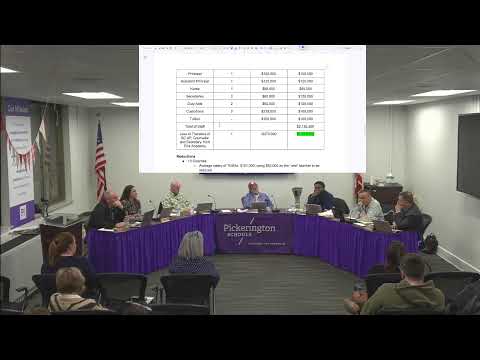
The administration proposed a kindergarten “village” at Daly (projected 674 students, about 83% of Daly’s capacity) and said Tusing would continue offering and operating its current all‑day kindergarten. The plan includes new positions required to staff the program (teachers, specials staff, counselor, principal, assistant principal, nurse, secretary) and estimated incremental personnel costs of about $2,180,000. Administrators said they identified offsetting savings — moving some positions, eliminating or repurposing one district curriculum role, and relying on upcoming retirements — leaving an anticipated shortfall of roughly $151,000 that they expect to cover through additional retirements or adjustments.
Administrators also proposed folding Pickerington Academy programming (an alternative program for at‑risk high‑school students) into existing high‑school structures rather than maintaining a separate facility, saying the services and supports would continue while overhead would be reduced. Doctor Smiley said the district will create a transition committee that includes parents and a student and will prepare detailed transition plans for affected families.
Board members asked detailed operational questions about the village model — meal service, duty‑aid coverage, bus routing and ride times, and adequacy of wraparound and social‑emotional supports for students moved from the Academy into mainstream high schools. One member expressed concern about cutting instructional coaches to pay for kindergarten, asking "where does that workload go?" Doctor Smiley acknowledged some reduction in coaching support and said responsibilities would be realigned and redeployed while prioritizing kindergarten implementation.
Administrators said they intend to publish the program details online, form implementation work groups, and meet individually with families affected by Pickerington Academy changes. No formal vote was taken; the board asked administrators to continue planning and return with detailed implementation and transition plans.