Get Full Government Meeting Transcripts, Videos, & Alerts Forever!
Get email alerts on the District Finance topic
No spam. Unsubscribe anytime.
Pickerington Local board approves five‑year forecast, frames 1.25% levy as key to avoid multimillion‑dollar shortfall
Summary
Treasurer John Walsh told the board the district faces a projected $14.2 million negative cash position by FY2029 without new revenue; the board approved the February five‑year forecast, which models passage of a 1.25% income‑tax levy and pauses raises through FY2030 to satisfy corrective‑action requirements.
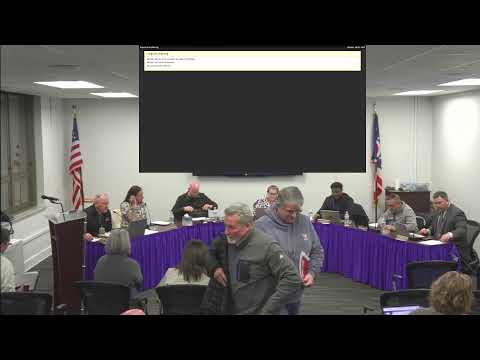
The Pickerington Local School District board on Feb. 23 approved its February five‑year financial forecast after a presentation from Treasurer Mister Walsh that portrayed the district’s fiscal outlook as contingent on new revenue and tight expense assumptions.
Walsh told the board that the February submission shows the district trending toward a shortfall later in the decade. "In FY '28, the cash balance will be just, just $30.30 and a half million dollars," he said, and later warned that under the baseline scenario the district faces "$14,200,000 negative cash" by FY2029 unless revenue or expense assumptions change. The presentation modeled a scenario that assumes passage of a 1.25% income‑tax levy in May and removal of raises beginning in FY27; Walsh said those assumptions were used to produce an outcome that meets the Ohio Department of Education’s corrective‑action requirements.
Board members pressed on the practical effects of the assumptions. Several members, including one who noted the district’s heavy personnel costs, said a multi‑year freeze on raises would be painful for staff. "You're not gonna be a great school district when you don't give your teachers raises," one board member said during the discussion, arguing that long freezes risk staff retention. Another board member emphasized the need to plan now for potential reductions and noted management will begin identifying target positions if the levy fails.
Walsh described key revenue and expense drivers: enrollment and funded full‑time equivalencies, changes in state formulas affecting DPIA allocations, a recently authorized $2 million transfer from the health‑insurance fund to the general fund, and higher transportation and Chromebook purchase costs. He said the February forecast is being submitted earlier than in past cycles, which adds uncertainty because some tax settlement and income‑tax payments remain to be collected.
The board voted to approve the forecast by roll call. Approval commits the district to the February submission process; the forecast includes a scenario that projects improved cash trajectories if the May levy is successful, but it also shows a materially negative position if the levy fails and if raises resume in later years without offsetting revenue.
What’s next: Administration and the treasurer said they will continue work on contingency plans and outreach to the community. Walsh and staff said they will refine modeling for the state‑required follow‑up and begin meeting about target reductions and potential transparency for staff if cuts become necessary.
Vote: The board approved the February five‑year forecast by roll call.