
Dayton Public Schools approves Option 1 reconfiguration amid debate over preschool access and transparency
Get AI-powered insights, summaries, and transcripts
Subscribe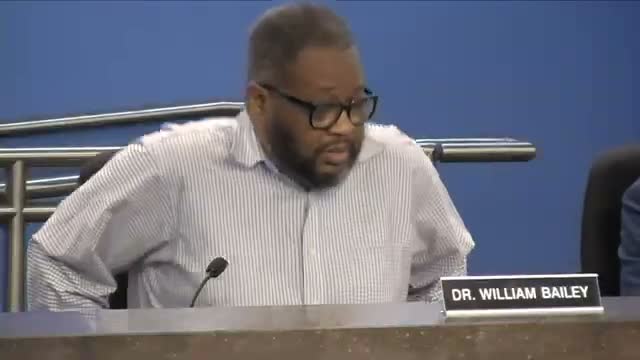
Summary
The Dayton Public Schools board voted to approve 'Option 1,' a district reconfiguration that consolidates preschool sites and adjusts grade configurations, after extended discussion about communication, capacity and funding. District staff and Preschool Promise outlined how PFCC tuition assistance could help families.
The Dayton Public Schools Board approved 'Option 1' — a district reconfiguration that consolidates preschool offerings and revises grade configurations (including K–6/K–7/6–8 models) — following a special meeting that featured extended debate about transparency and preschool funding.
Supporters emphasized student retention and program benefits while opponents said the public had not been given adequate notice. Board members approved the motion in a roll-call vote that recorded four votes in favor and three against. The board then moved into an executive session to consider employment matters.
District staff who presented the plan said the new configuration is constrained by classroom space and projected it would serve about 658 preschool students under the proposed model, compared with roughly 724 preschool slots the district currently serves. Staff described the reconfiguration as a way to create more coherent feeder patterns and to consolidate preschool resources into fewer, more resourced sites.
"We actually did do a survey of families, and we have families that do want to continue with the district," a district presenter said, summarizing retention data from pilot sites cited by staff. Presenters pointed to local examples (River’s Edge and Charity Adams) where expanded grade spans were said to improve retention and continuity.
Board member Miss Reinhardt, who said she has served nine years on the board, said she could not support a vote without sufficient, transparent public communication. "I cannot vote for something that has not been communicated effectively and have given the public and the community an opportunity to let us know their feelings," she said, urging more time for outreach and clarity on the plan's impacts.
Administrators also answered detailed operational questions: they said trailers at Kaiser are planned for removal as soon as possible and likely before the next school year; officials are reviewing school resource officer (SRO) allocations and are working with transportation staff to align bell schedules with new configurations.
The board discussed funding options tied to PFCC (state preschool funding) and local partners. Robin Lycap, executive director of Preschool Promise, told the board the organization can help families access tuition assistance and advised that administering publicly funded childcare is administratively complex. "The good thing is you've already moved in that direction to have families fill out this paperwork... take advantage of this other funding stream from the state," Lycap said, adding that Preschool Promise could help with scholarship and tuition-assistance resources.
A parent’s written comment, read into the record, urged the board not to remove preschool from Cleveland Elementary, saying the small preschool program there gives families continuity and belonging and that alternatives should be explored before relocation.
When the president called the roll on the motion to approve Option 1, the recorded responses were: President Bailey — yes; Doctor Goodwin — yes; Mister Lacey — yes; Mister Smith — no; Miss Reinhardt — no; Mister Walker — yes; Miss Garrison — no. The motion was recorded as approved.
After the vote, board members congratulated staff and urged collaboration for implementation; the board then voted to enter executive session under the referenced statutory provision to consider personnel matters.
Next steps described by staff included finalizing feeder-pathway plans, arranging transportation and confirming staffing and facility timelines; staff said the district will return with additional presentations for any schools that later request adding an eighth grade under the new structure.
The special meeting addressed both policy choices and operational details; the board’s approval sends the Option 1 reconfiguration into district implementation planning, with timelines and many operational questions to be resolved in follow-up work.