Get Full Government Meeting Transcripts, Videos, & Alerts Forever!
Get email alerts on the School Funding Legislation topic
No spam. Unsubscribe anytime.
Treasurer warns two Ohio bills could cut Chagrin Falls revenue
Summary
The district treasurer told the board that bills numbered 309 and 335 — one granting a county commission wider authority over tax collection and another capping inside millage growth to a GDP inflator — could reduce the district’s revenue if enacted; he offered written summaries and contact links for members.
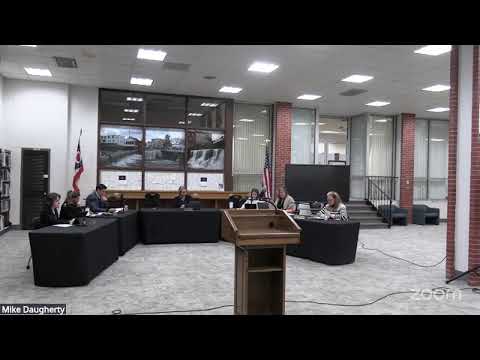
The district treasurer told the Chagrin Falls Board of Education on Dec. 10 that several bills sent to the governor could affect school funding, and he singled out two he said would be especially important to watch.
The treasurer said four bills had been presented to the governor and that, if the deadline passes with no gubernatorial action, they would become law by default. He identified bill 309 as a measure that would give the county budget commission broad authority over collecting taxes and suggested that could allow the commission to deem local millage unnecessary or excessive and decline to collect it.
The treasurer also identified bill 335 as a proposal to cap inside millage growth by tying it to a GDP inflator, which he said could prevent the district from receiving revenue growth when property values rise faster than the cap allows.
He described the other two bills as having more general effects on Ohio schools and said he had prepared summaries, contact links and talking points available on the treasurer’s page of the district website for anyone who wanted more detail or wished to contact the governor’s office.
Board members asked clarifying questions about how the measures interact with existing voted and unvoted millage and whether Cuyahoga or Geauga counties would be responsible for collections on properties spanning county lines. The treasurer explained that inside millage (the unvoted portion) is the small source of growth he and the district currently rely on, and that the bills would mostly affect growth and collection authority rather than immediate tax rates.
He recommended that board members consult the summaries he posted and offered to provide further details to those interested.
No vote was taken on the bills at this meeting; the treasurer characterized his remarks as informational and provided resources for trustees who wished to take further action.