Get Full Government Meeting Transcripts, Videos, & Alerts Forever!
Get email alerts on the Education Budgeting topic
No spam. Unsubscribe anytime.
Tri Valley superintendent proposes 7.9% administrative budget increase, cites retirement and insurance pressures
Summary
Superintendent Aaron Long presented the administrative portion of the 2026–27 budget to the Tri Valley board, citing a 7.9% proposed overall administrative increase driven by retirement costs, benefits and some membership/travel line items; the presentation included planned staffing/code reallocations and projected savings from insurance and auditor changes.
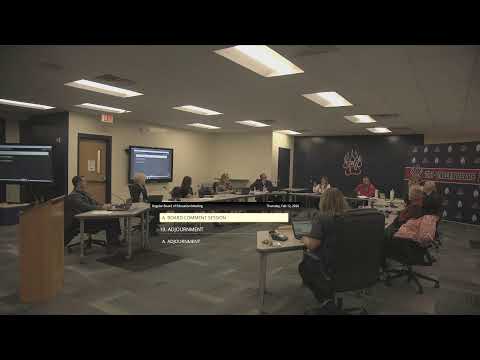
Superintendent Aaron Long told the Tri Valley Board of Education on Feb. 12 that the administrative component of the district’s 2026–27 budget will require an overall proposed increase of about 7.9%, driven in part by rising retirement-system and benefits costs and by spending related to board dues and conferences.
Long said board-related drivers account for a projected 21.4% increase in that specific budget line (noting increased board conference attendance and membership dues), central administration costs were projected to rise about 3.4% (largely contractual salaries), and the business administration group showed a projected 9.2% increase tied to appointing a new school business official. The superintendent said coding reallocations also changed reported percentages by moving items into their proper budget categories.
Long highlighted several offsetting moves: switching the district’s auditing contract to Cooper Arras was projected to save roughly $14,000 over four years; switching insurance carriers yielded a district-level savings he put at about $36,000 in the prior year’s procurement exercise. He also described a projected 6.63% increase in employee-benefit costs, driven by New York State retirement-system increases (Long cited an estimated 17.6% for one retirement line and 8.6% for the teachers’ retirement calculation) and uncertainties in health, dental and vision costs.
Why it matters: The administrative budget underpins central services, payroll processing, elections and compliance items the district must fund and publish. Board members asked for line-by-line breakdowns for the 21.4% figure and for clarity on what drives the insurance and retirement estimates; the superintendent said he will provide a more detailed breakdown to trustees.
Next steps and votes: The presentation was informational; the board did not adopt a final budget at the meeting but set calendar dates for the budget hearing and vote (annual budget hearing May 7, 2026; budget vote May 19, 2026). Long also said the district will move its meeting-and-agenda platform to a new vendor (Diligent Community) and that staff will continue to refine budget code allocations.
Attribution: Budget figures, projected percentages and savings estimates come from Superintendent Aaron Long’s presentation to the board on Feb. 12.