Get Full Government Meeting Transcripts, Videos, & Alerts Forever!
Get email alerts on the Education Assessment Attendance topic
No spam. Unsubscribe anytime.
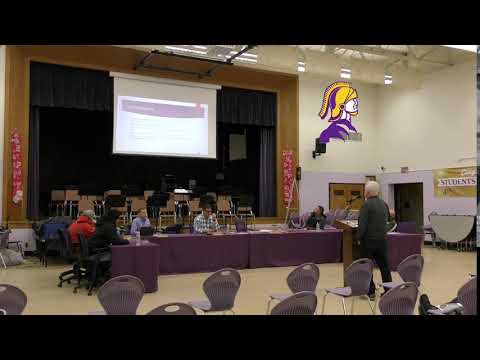
Sodus board hears National Honor Society introductions, attendance concerns and midterm data
Summary
Students from the National Honor Society introduced their service activities; board members and staff reviewed attendance data (chronic absenteeism defined as eight or more days) and midterm/Regents-aligned results, and discussed interventions including MTSS, incentives and targeting tardies.
The Sodus Central School District board opened its meeting with introductions from the local National Honor Society and moved quickly into academic reports, where principals and staff outlined attendance trends and midterm assessment results across buildings.
"We have five pillars that we stick to as a group," said William Martinez, a National Honor Society member, describing the society’s focus on scholarship, service, leadership, character and dedication. NHS president Morgan Harlan and secretary Carolina Botts listed recent service projects including tutoring, nursing-home visits and community cleanups.
In the elementary-school report, Jackie (elementary staff member) told the board that chronic absenteeism — defined for the district as eight or more days absent between the start of school and Dec. 19 — varied by grade. Kindergarten and first grade showed mixtures of excused and unexcused absences; second grade had a notable number of unexcused cases. Jackie described interventions including buildingwide incentives, monthly perfect-attendance postcards, lunch groups and outreach through community partners.
"We're doing building-wide incentives," Jackie said, describing efforts from daily attendance acknowledgments to individualized supports and referrals to outside agencies for families in need.
Board members and staff debated whether tardies and half days carry the same instructional impact as full days absent. Staff noted logistical constraints — including state daycare rules administered by OCFS that require separate ratios for pre-K and school-age care — that complicate proposals to extend supervision on half days.
At the intermediate and junior-senior high levels, a staff presenter reviewed midterm and Regents-aligned results for grades 7–12, noting strong passing rates in some honors classes (several honors courses showed pass rates in the 90–100% range) alongside weaker performance in core 7th–8th grade measures. The presenter emphasized the district’s use of a Multi-Tiered System of Supports (MTSS) to match interventions to student needs.
"We use MTSS so we can be very specific and targeted to how we support students and their families," the presenter said, describing a resource map of tier 1–3 supports that includes tutoring, counseling, parent conferences and targeted interventions.
Board members also discussed the value and trade-offs of administering midterms versus devoting instructional time to regular lessons. Staff said midterms provide an authentic midpoint data point to direct interventions ahead of June Regents tests, but acknowledged midterm weeks require dedicated scheduling and staffing for test modifications.
The meeting concluded the information segment with the board thanking presenters and moving the academic reports into the information section of the agenda. The board said staff will continue focusing on reducing tardies and chronic absences as part of ongoing MTSS work.
The board did not adopt new attendance policy changes at the meeting; staff will return with further analysis and potential next steps.