Board weighs curriculum changes; administrators keep non‑AP calculus in catalog for now
Summary
Administrators proposed catalog changes for 2026-27—ending some Beacon dual-enrollment arrangements, adding a half-credit AI course, and raising recognition-credit thresholds—but after student and board concerns, non‑AP calculus will remain in the course book for next year subject to enrollment thresholds.
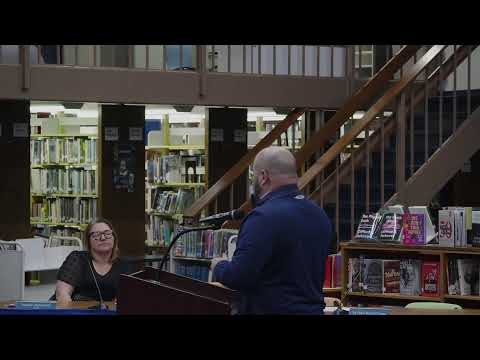
Shoreham — The Shoreham-Wading River Board of Education heard a detailed presentation Jan. 27 on recommended changes to the 2026-27 high school course catalog and the district's strategy for sustaining electives amid declining enrollment.
Assistant Superintendent Allen Meinster and curriculum committee representatives framed the recommendations around three priorities from the district strategic plan: build programmatic rigor, align courses with student interest and maintain pathways that lead to college credit. Administration said changes were driven by five-year enrollment trends and by new requirements from college partners.
On dual enrollment, the administration said Suffolk County Community College tightened its Beacon program rules (requiring adjunct teachers to hold master's degrees in the subject area and to partner periodically with college faculty), making the district pivot necessary to alternative partner arrangements so students do not lose access to college credit. "We wanted to make sure that none of our students would lose out on the opportunity to get college credit," Meinster said.
The board discussed a proposed increase in the minimum credit threshold for marking-period recognitions from 4.5 to 6 credits. Administrators said the change is intended to encourage fuller student schedules; students and several board members asked administrators to analyze last-year data for seniors who carry heavy AP loads but fewer than six credits before finalizing the change.
The meeting featured a sustained debate over whether to remove non‑AP calculus from the catalog. Resident Dan McGuire and several students argued that offering only AP Calculus would disadvantage students who are not ready for AP-level work but still need a calculus option for certain college pathways. Administrators said enrollment metrics over five years show non‑AP calculus typically falls below the district's 15-student threshold for running a course, but they agreed to keep non‑AP calculus in the catalog for the coming year and to apply the standard enrollment threshold process: if enrollment remains below the minimum, the course may be dissolved with notice to affected students.
The board also approved adding a new half-credit "Introduction to Artificial Intelligence" elective to build on digital-literacy coursework, and recommended retitling a sports-marketing elective as "Marketing Principles and Practices" to align with a new Long Island University dual-enrollment agreement.
Next steps: administration will supply enrollment lists and historical data to the board and consider minor adjustments before final adoption; they will also report back on the honors-weighting proposal and Beacon/dual-enrollment transitions.
AI generated
The text on this page is AI generated. Summaries, highlights, analysis, and video transcripts are all produced from the original source material.
AI can make mistakes, so if you spot one, and we will fix it for everyone.
Note: the source content is unaltered by us. Any content source we link to, be it a video, an audio recording, or a document, is presented exactly as its publisher released it. That publisher is usually a government body, sometimes an individual official or another organisation.