
Rochester district unveils preliminary 2026–27 budget framework, seeks state aid and uses reserves to bridge gap
Get AI-powered insights, summaries, and transcripts
Subscribe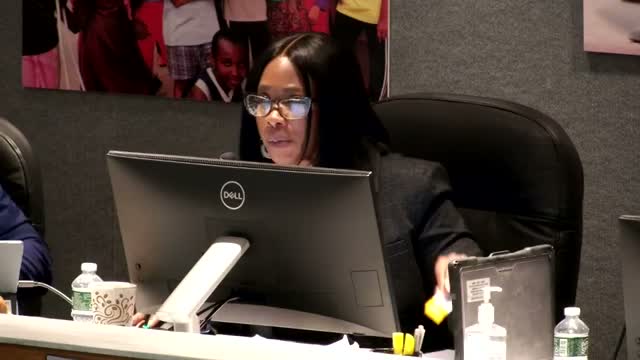
Summary
Superintendent Rosser presented a preliminary 2026–27 Rochester City School District budget framed on Governor Hochul's executive proposal, pitching increased per‑pupil allocations and expanded supports while proposing use of appropriated fund balance and awaiting final state figures before adoption.
Superintendent Dr. Adrienne Rosser presented the Rochester City School District's preliminary 2026–27 budget to the Board on Feb. 26, describing a student‑centered plan that increases school‑level allocations and expands literacy, multilingual instruction, pre‑K seats and community‑school investments while acknowledging significant fiscal constraints.
"This preliminary budget reflects a framework, a commitment to continue to uplift a student centered approach," Rosser said, adding the plan was developed in consultation with school leaders and the state monitor. She said the district began the season facing a roughly $50 million gap and has worked to "close the gap" with a mix of spending reductions, efficiencies and targeted investments.
Finance officer Michael McDowell said the district's cash balance stood at about $447,000,000 and that revenues were roughly $8,000,000 higher than last year's adopted assumptions, driven largely by grant awards and anticipated state aid. McDowell said the administration is proposing to use approximately $23,900,000 of appropriated fund balance to balance the preliminary plan and is estimating a 2 percent state aid increase (about $16,400,000) under the governor's executive budget.
McDowell outlined revenue dependencies: roughly 84 percent of the district's revenue is state aid, about 12 percent is from the city and the remainder is local and federal sources. He cautioned that lower interest earnings (an estimated $3.4 million hit) and uncertainties in grant timing affect near‑term cash flow and that payroll posting issues continue to complicate grant reconciliation.
On the expenditure side, McDowell said the district proposes a total budget a little over $1 billion. Transportation costs are a principal driver of the proposed increase (a 19.4 percent uptick to "true up" current contract costs). Benefit costs are also rising; McDowell estimated benefits could increase by roughly $11.6 million (about 6 percent). The administration flagged unfunded state mandates, charter school expense growth and possible federal disinvestment as risks to sustaining investments.
Rosser described several programmatic increases intended to target student supports: raising per‑pupil allocations for English learner students and students with exceptionalities to $220 (from $180–$190 ranges), and increasing the per‑pupil general education allocation to $160 (from $150). The preliminary plan also budgets additional reading teachers, intervention specialists, instructional coaches, community school staff and safety upgrades.
Board members pressed for implementation detail. Commissioner Santiago asked how the district will translate budget lines into school‑level practice for restorative and mental‑health initiatives; Rosser said building principals were engaged through a baseline staffing model and that central office would re‑engage principals once final state figures are firmed up. Rosser and McDowell emphasized the plan is preliminary and will change as the state budget is finalized.
Next steps: the administration said it will present a final plan after state actions. The board will hold a public hearing and several budget deliberations in April and is scheduled to adopt a final budget by May 12 per the district timeline. The presentation and discussion on Feb. 26 were explicitly labeled "preliminary," and the board did not take a final budget vote at the meeting.