Get Full Government Meeting Transcripts, Videos, & Alerts Forever!
Get email alerts on the School Climate topic
No spam. Unsubscribe anytime.
Port Washington board reviews climate-survey findings; parents and student press for faster literacy and seating fixes
Summary
At its Feb. 10 meeting the Port Washington Board reviewed a district climate survey showing modest declines in school climate and discussed priorities including consistent reading instruction, supervision, and cafeteria seating; trustees asked administrators for targeted follow-ups and additional data.
PORT WASHINGTON, N.Y. — The Port Washington Union Free School District heard the results of its fifth annual climate survey on Feb. 10, with administrators and trustees focusing on how to turn open-ended feedback into concrete action on early literacy, supervision and school operations.
Dr. Feeney, who presented the survey summary, said the district fielded strong student response rates but lower participation among families. "We've got consistent strengths across groups — positive relationships, the caring teachers, responsive leadership, and a strong sense of belonging," he said, while also flagging "modest declines in areas such as school climate, belonging, and school safety compared to prior years." He framed the findings around five priority areas the district will use to guide next steps.
The board and administrators emphasized that the survey's open-ended responses — not just the scaled scores — will drive priorities. Dr. Feeney told trustees the district will post a fuller slide set and provide a deeper Q&A at the curriculum committee's follow-up meeting.
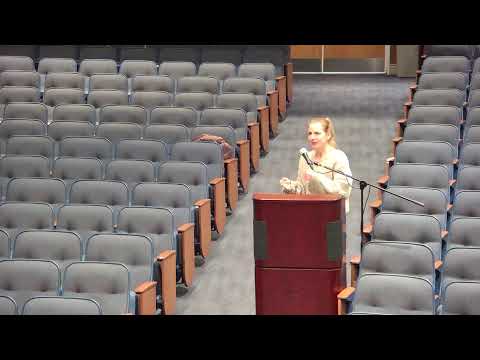
Students and parents urged faster remedies. Ex officio student board member Caitlin Caffalo raised cafeteria-seating problems at Shriver High School on rainy or snowy days and asked whether the board could consider additional seating or flexible furniture. "Students at Shriver have continued to raise concerns about cafeteria seating, particularly on rainy or cold days when outdoor seating is not a realistic option," Caffalo said, asking administrators to explore budget or facility options.
Parents also pushed for more immediate attention to early reading. Parent Julie Nussbaum, who identified herself as a Daley parent, told the board she was "really, really shocked to find out that we really didn't have a universal science of reading curriculum," and urged the board to be "generous with funding support for improving early childhood reading." Nussbaum cited wide variation in student outcomes between classrooms as a core concern.
Administrators responded that the district is not waiting for a new curriculum to act. Dr. Feeney said the district is investing in professional learning and leveraging internal expertise to ensure more consistent methodology across classrooms while piloting new materials. He said the reading-committee process had narrowed possible programs from seven to four vendors and that two would be piloted next year.
Trustees asked for more detail on recurring items flagged by respondents, including homework loads in grades 4–5, student supervision in secondary buildings (hallways, bathrooms and vaping), and the pace of reducing pull-outs in favor of push-in instructional supports. Board members requested cross-tabulated data and examples showing which changes the district has implemented in prior years and what impact those changes produced.
Next steps: administrators said they will provide a deeper dive to the curriculum committee on Friday with more granular questions and will include historical follow-up about which actions were taken in response to past survey results. The board also discussed routing building-level requests (such as cafeteria furniture) through administration and, if appropriate, the capital or operating budget process.
The board will revisit survey-driven priorities in upcoming committee meetings and as budget proposals are developed.