Get Full Government Meeting Transcripts, Videos, & Alerts Forever!
Get email alerts on the School Budget topic
No spam. Unsubscribe anytime.
Oakfield-Alabama school board orders revote on failed budget and debates cutting bus purchases to reach 0% levy
Summary
The Oakfield-Alabama Central School District board voted to send the previously defeated 2025–26 budget back to voters on June 17 and spent the meeting weighing a 0% tax-levy option that would strip equipment and bus purchases from the budget to avoid a tax increase.
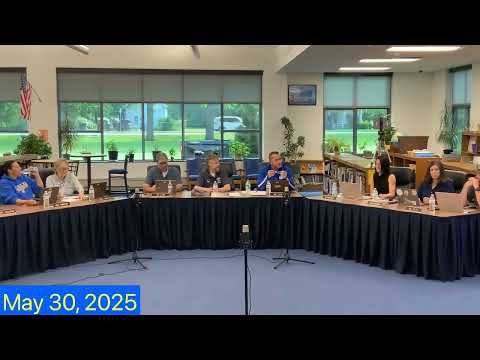
The Board of Education of the Oakfield‑Alabama Central School District voted to place the previously defeated 2025–26 budget before voters again on June 17 and scheduled a public budget hearing for June 9, officials said.
Chair Justin opened the continuation of the budget workshop and asked staff to present options after the district’s proposed budget failed at the polls. Laura, the district budget presenter, said the district’s contingent budget — the plan the district would be forced to adopt if voters reject a replacement budget — removes required equipment purchases and other items totaling $954,000 and would produce a contingent total of $24,601,302. “The total contingent budget would be $24,601,302,” Laura said during her presentation.
Why it matters: the board must decide whether to (a) resubmit a revised budget that keeps a tax‑levy increase near the 2.5% cap and hope it wins a supermajority; (b) resubmit the original proposal; or (c) adopt a contingent budget that legally removes most equipment and capital purchases and would allow the district to set a 0% levy. Any budget above the tax cap still requires 60% voter approval in New York.
John, a district administrator who walked the board through legal constraints, said state rules force districts adopting a contingent budget to exclude equipment purchases, including bus purchases and some capital outlays. He added that some items the public might view as programmatic — field trips, regular athletic travel and instructional programs — are generally preserved, while one‑time equipment and capital transfers are not. “Under New York state law... any and all purchases of equipment” must come out under contingency, John said.
Bus purchases emerged as the central tradeoff. Staff told the board a full‑size bus is estimated at about $182,500; a small bus about $121,000; and a small bus with a wheelchair lift about $142,000. Those purchases account for roughly $450,000 of the budget figure staff flagged. Board members discussed placing buses on a separate proposition so voters could approve bus financing independently of the operating budget. Staff said financing buses spreads costs over five years — the district is reimbursed in part by state transportation aid over multiple years — but financing would add interest and annual consultant and attorney fees that staff estimated at roughly $5,000–$7,500.
Board members and residents pressed for clarity about how cuts would affect youth organizations and community access to school facilities. Staff said the district has a facilities use fee (currently $50 an hour for gym use) and that outside groups may have to pay more if the district can’t absorb extra costs under a contingent budget. One resident asked whether youth sports would still be allowed; staff replied that activities that are extensions of school programs would continue but outside groups that cause additional district expense could not be permitted without cost recovery.
Several trustees warned that removing buses or capital outlays this year would depress the district’s tax‑levy base and make future budgets harder to pass. Trustee discussion repeatedly returned to multi‑year consequences and staffing: board members noted several upcoming retirements and said they did not want to cut personnel this year, but several acknowledged that deeper cuts could fall on staffing next year if revenue shortfalls continue.
After debate, the board approved a resolution to put the budget before voters again on June 17 and to hold the budget hearing on June 9. The motion passed in open session. Under the schedule described by staff, trustees must adopt a budget at a public meeting in time to meet the legal notice and hearing windows required for a June 17 revote.
Next steps: the board will present the budget and answer questions at the June 9 hearing; voters will decide the budget on June 17. If the revised proposal still fails, the district would move to the contingent budget described by staff.
Reported actions in this story are taken from the board’s meeting record and the public workshop; quotes and figures above are attributable to staff presenters and board members during the workshop.