Get Full Government Meeting Transcripts, Videos, & Alerts Forever!
Get email alerts on the Youth Vaping topic
No spam. Unsubscribe anytime.
St. Charles nurse warns Patchogue‑Medford parents about student vaping, outlines resources
Summary
Corinne Karff of St. Charles told Patchogue‑Medford parents that student vaping has risen, described chemicals and health risks in vape aerosols, and directed families to school and community resources including a district 'Escape the Vape' page and St. Charles treatment services.
Corinne Karff, an assistant nurse manager and registered nurse at the St. Charles Chemical and Alcohol Dependency Department, told parents at a Patchogue‑Medford Union Free School District presentation that student vaping has increased and poses health and academic risks.
Karff, who described St. Charles’ medically supervised withdrawal services and a 28‑day chemical dependency program, detailed what vape aerosols can contain and how nicotine and THC can affect teenagers. "It is not harmless water vapor," she said, listing substances including nicotine, formaldehyde, benzene and burnt metals.
The presentation emphasized how nicotine raises dopamine and can lead occasional use to daily dependence and, in some cases, escalation to other substances. Karff said students commonly report vaping because of peer pressure, anxiety, depression or boredom, and she urged parents to ask "why" their child is using to address root causes.
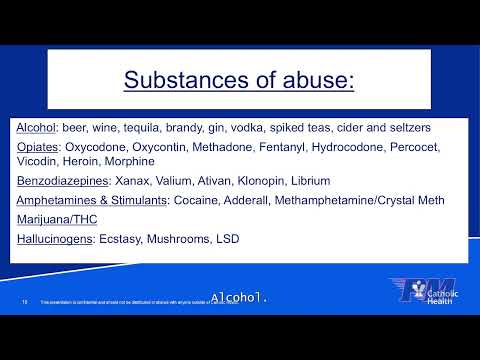
Karff named several specific concerns for families: nicotine can impair attention, learning and impulse control; THC can worsen anxiety and paranoia for some adolescents; and fentanyl has appeared unexpectedly in drug screens. She also walked parents through common slang terms for pills and other drugs so they could recognize references on phones or in conversation.
The district has added an "Escape the Vape" resource page in its parent resources and held recent grade‑level assemblies featuring St. Charles staff and the chemical dependency program director. Karff encouraged parents to use school supports — including the school social worker for substance use (Mrs. Rosario), principals and guidance counselors — and offered contact information and a resource table after the talk.
Karff described treatment and referral options available through St. Charles, noting a 20‑bed adult medical withdrawal unit with four pediatric beds and a 40‑bed, 28‑day rehab program. She said medically supervised withdrawal at St. Charles is available for alcohol, benzodiazepines and opiates; other substances such as marijuana or stimulants typically do not require medical detox but may need outpatient treatment or emergency‑room intake.
The presentation cited CDC risk factors for youth substance use and recommended protective steps parents can take: stay engaged, reinforce consistent rules, encourage school activities and seek professional help when needed. Karff invited parents to speak with her after the meeting and to use the listed online resources, including a mobile quitting program she referenced and the Truth Initiative's materials for families.
The meeting closed with the district staff member thanking attendees, inviting them to collect printed materials and reminding families they can contact the school by phone or email for follow‑up.