
Board weighs options after Cornell study projects about 1,000 fewer students over 10 years
Get AI-powered insights, summaries, and transcripts
Subscribe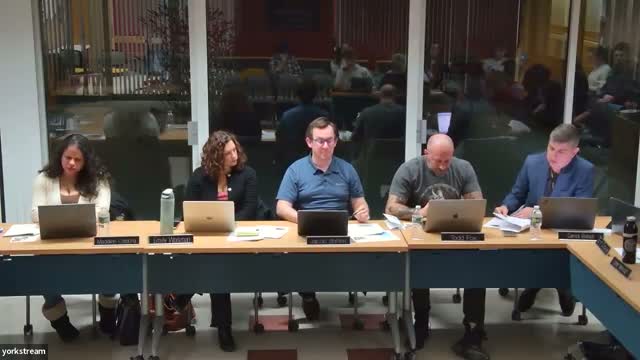
Summary
The Ithaca City School District board discussed a Cornell enrollment study projecting roughly 1,000 fewer students over the next decade and debated follow-up analyses, fiscal implications and a draft strategic-planning RFP to guide long-term decisions about facilities, staffing and programming.
The Ithaca City School District Board of Education on Feb. 10 discussed next steps after a Cornell demography study that projects the district could have roughly 1,000 fewer students over the next 10 years.
Chair (speaker 2) summarized the study’s headline finding: "the next 10 years, we expect under different projections, we expect to see roughly 1000 fewer students in this district." Board members said they want additional scenarios, including 15-year runs, facility-specific analyses and fiscal modeling before making policy or capital decisions.
Superintendent (speaker 8) and other members emphasized the division of labor between demographic forecasting and policy choices. As speaker 8 put it, "Cornell’s expertise is in predicting populations; policy choices like open enrollment and LACS are board decisions and not something Cornell would set for us." Board members asked that the district and consultants produce follow-up work showing transportation cost breakdowns, staffing and maintenance implications, and comparisons (comps) from similar districts that consolidated buildings.
Several members said the study’s outputs should be folded into a larger strategic-planning process. Speaker 6 urged including universal-design and accessibility considerations in the RFP for strategic-planning consultants, and speaker 9 called for clear timelines so the work can be aligned with the district’s upcoming budget and capital planning. The board agreed staff would collect the board’s questions and ask Cornell for supplemental analyses; a draft RFP was discussed and staff were directed to finalize language and timelines for a future vote.
Why it matters: Fewer students would affect capital use, staffing levels and long-term budgets. Board members stressed that demographic forecasts do not themselves set policy; the board must decide whether to consolidate, reconfigure buildings, change open-enrollment practice or pursue capital investment to improve remaining buildings.
Next steps: The board requested additional Cornell runs (longer horizons and facility-specific analyses), transportation and staffing cost breakdowns, and fiscal advisory input; staff will also finalize the strategic-planning RFP for a future board vote.