Get Full Government Meeting Transcripts, Videos, & Alerts Forever!
Get email alerts on the Budget topic
No spam. Unsubscribe anytime.
Fredonia board hears tightened 2025–26 budget as state aid and levy questions loom
Summary
Board members reviewed a draft 2025–26 budget with adoption scheduled for April 24–25, were told the district’s proposed $18.0M tax levy exceeds the tax-cap maximum by about $284,000, and were warned that final foundation-aid numbers from New York State remain unresolved.
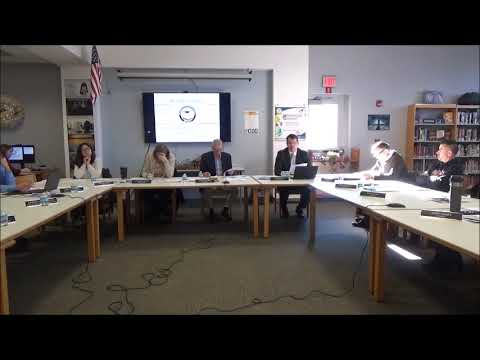
The Fredonia Central School District Board of Education spent the bulk of its April 8 meeting reviewing a draft 2025–26 budget that officials described as a work in progress and stressed must be adopted by April 25.
Mr. Forbes, speaking for the district’s business office, told the board the district is asking for a proposed tax levy of $18,000,242, compared with a calculated tax‑cap maximum of $17,958,000 — a difference of roughly $284,000. He warned several important inputs remain unsettled, including final state foundation‑aid figures and certain equalization/assessment data; he also said capital reimbursements for approved projects will not be returned until the 2026–27 aid year, creating a first‑year cash impact.
Those factors, Forbes said, have left staff makingstepwise reductions: since last week’s workshop the district reduced another $122,000 from its preliminary budget and has shifted roughly $766,000 of costs to categorical grants where allowable. "We need to adopt a budget by April 25," Forbes said, adding the board would hold an extra meeting on April 24 to finalize numbers.
Why it matters: the proposed levy, as presented, exceeds the district’s allowable formula; the board can either make additional reductions, use more fund balance or secure a 60% voter approval to exceed the cap. Mr. Forbes also described salary and benefits as the largest fixed portion of the budget — roughly 70% combined — and reminded the board that rising insurance and transportation costs and recently negotiated contract placeholders factor into the projection.
Community concerns surfaced during public comment. Mary Days, a resident who identified herself and her address to the board, urged significant spending cuts and suggested consolidation with other districts as a long‑term fix. "Administratively, you're top heavy," she said, arguing the district should avoid hiring more assistant principals and take a hard look at administrative positions. Chair responded that the board values the comment but must follow the five‑minute public‑comment limit.
Board members pressed staff for specifics on potential offsets. In response to a question about transportation, Forbes said a contractual rebate with First Student could generate up to about $200,000 over the life of the contract but that timing and application of that rebate remain negotiable. On retirements and staffing, Superintendent Dr. Ziliak cautioned that high‑school scheduling complexity and the lack of final foundation‑aid numbers make immediate cuts difficult to model. "That number would be very helpful in projecting the larger budget," he told the board.
Next steps: the board scheduled an additional meeting on April 24 for final review and to adopt the budget as required before the April 25 deadline. The district will continue to refine staffing assumptions, confirm state aid figures if they become available, and report back to the board at the April 24 session.