Get Full Government Meeting Transcripts, Videos, & Alerts Forever!
Get email alerts on the Student Performance topic
No spam. Unsubscribe anytime.
Easton reports higher grades, fewer Fs after schedule change, district presentation shows
Summary
At the Feb. board meeting, staff presented semester-to-semester data showing A grades increased while students earning at least one F fell from 44% to 17%; staff attributed gains largely to the block schedule and student effort. The board thanked the presenter and asked follow-up questions about policy links.
At the Easton School District board meeting, guest presenter Sadie Klein walked trustees through semester-to-semester grade comparisons showing measurable improvement among middle- and high-school students.
"You can see our A's went up, and our F's went down dramatically," Sadie said while presenting charts comparing the current year's first semester with the previous year's first semester. She reported that students with at least one failing grade dropped from 44% to 17%.
Superintendent (speaking as the district's superintendent) and board members praised the trend. A member noted, "Lots of growth with the boys," and asked whether changes such as a new cell-phone policy could explain the improvements. Sadie and staff said the largest structural change since last year was the adoption of a block schedule, which provides longer instructional periods and fewer transitions; staff also cited student effort.
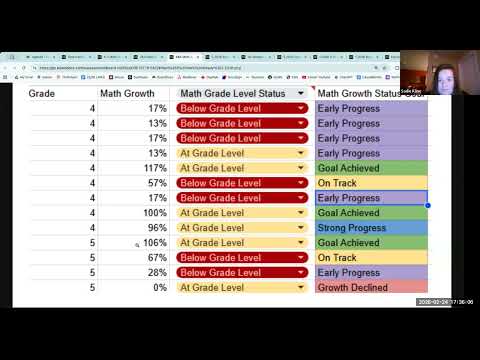
Sadie also presented elementary I-Ready diagnostic growth comparing fall to winter assessments, noting substantial progress for many students and citing some growth measures as high as 219% for individual students. The presentation broke results into on-track, needing intervention, and growth-goal categories to clarify which students remained below grade level and which reached growth targets.
Board members asked several follow-up questions, including whether the district had evidence linking the improved grades to particular policies such as phone restrictions. Staff said it is difficult to isolate a single cause but reiterated that the block schedule and instructional focus were the primary changes from the prior year.
The presentation closed with trustees thanking Sadie for the clear graphics and for highlighting areas where targeted supports may be needed. The board did not take formal action based on the presentation but asked staff to continue monitoring assessment and discipline data.