Get Full Government Meeting Transcripts, Videos, & Alerts Forever!
Get email alerts on the Budget topic
No spam. Unsubscribe anytime.
Board adopts preliminary 2024–25 budget; administrators note state aid and ESSER uncertainty
Summary
The board unanimously approved a preliminary 2024–25 budget on June 25 after staff outlined personnel-driven costs, declining ESSER funds, and Fund 46 capital planning; administration said final numbers depend on enrollment and state aid figures later in the summer.
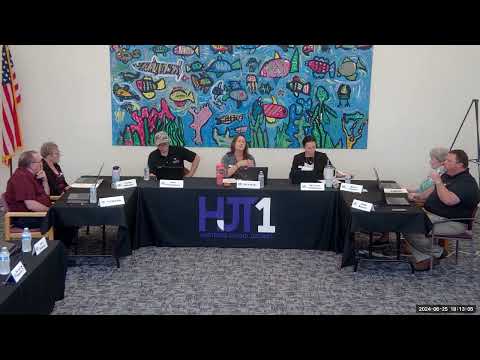
The Hartford J1 School District board approved a preliminary budget for the 2024–25 fiscal year at its June 25 meeting, as required by statute. Administration outlined the budget as an estimate that will be refined between July and November once enrollment counts and state aid allocations are finalized.
Staff told the board that personnel costs are the district's largest expense driver and that certain revenue elements — including state aid and expiring ESSER (Elementary and Secondary School Emergency Relief) funds — introduce uncertainty. Administrators said ESSER claims can be finalized through September and that some ESSER-related receipts may arrive in the next fiscal year. The district also discussed Fund 46 (capital improvements), noting recent facility study results identifying needed updates at Lincoln, ADA improvements at Central Middle School and generator concerns at Rossman; Fund 46 contributions can be used strategically to secure aid on spend dollars.
Board members asked clarifying questions about how declining enrollment and estimated state aid could affect property tax budgeting; administration said trustees will get updated revenue numbers in July and final state aid allocations in October. The preliminary budget was adopted by roll call without opposition.
The board's approval enables administrators to proceed with planning while acknowledging that adjustments are expected once final state numbers and enrollment are available.