
Goshen County school leaders warn recalibration could strip local control and cut staff
Get AI-powered insights, summaries, and transcripts
Subscribe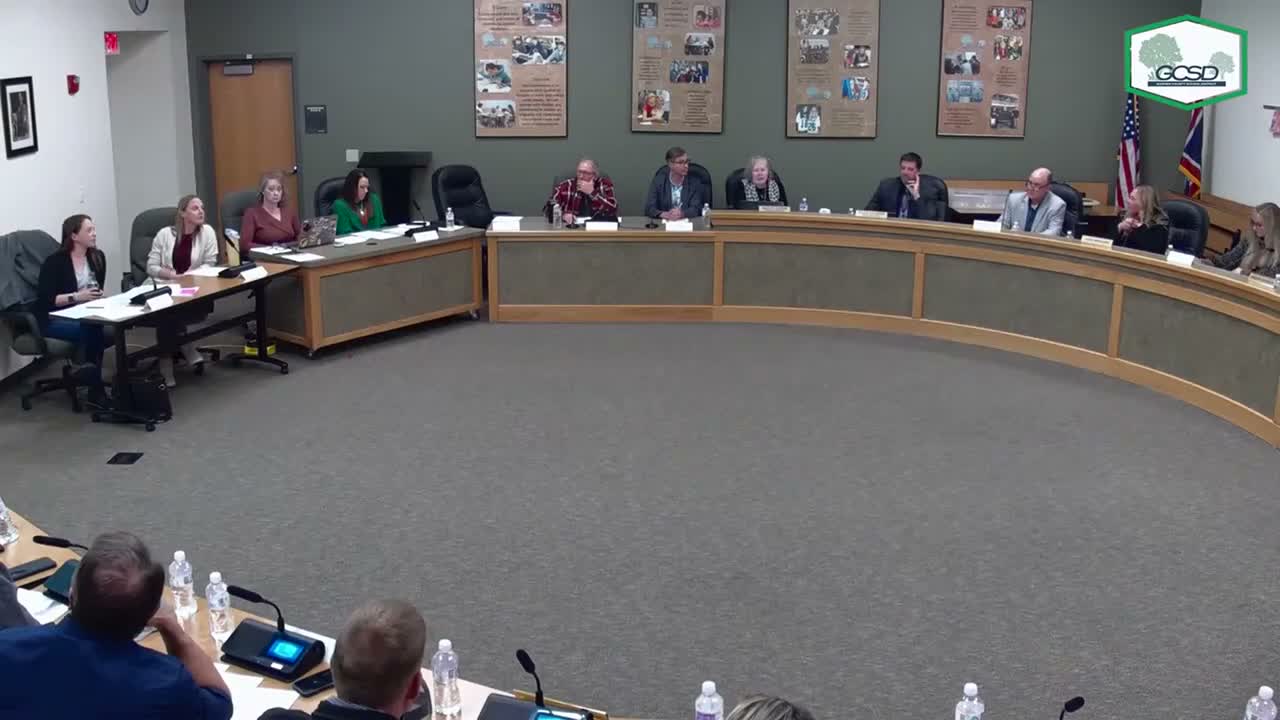
Summary
District leaders told state lawmakers and trustees that a draft K–12 recalibration bill that replaces block-grant flexibility with categorical funding and changes enrollment averaging could force teacher reductions, larger class sizes and elimination of locally funded positions.
GOSHEN COUNTY, Wyo. — School trustees and administrators told state legislators Wednesday that a proposed recalibration of Wyoming’s K–12 funding model risks undermining local control and would force cuts to staff and programs in small, rural districts like Goshen County School District #1.
“Our concern is loss of local control,” Superintendent Ryan Kramer said, explaining that the district uses the current block-grant model to move credits for administrators and other positions around the county. He told lawmakers the draft bill’s changes would convert retirement funding to reimbursement and earmark money into categorical silos, limiting the board’s ability to fund priorities across campuses.
Southeast Principal Tim Williams said the change could have immediate staffing effects at his school, estimating a $759,614 reduction in funding directed to Southeast under the proposed model and noting the draft would have cut funded teacher positions in the district from about 24.12 to 13.5 FTEs; the recalibration committee’s amendments raised that to roughly 22.34 FTEs but still reduce funded staff relative to current allocations.
“Combining classrooms would be my option,” Williams said, describing how primary-grade classes could grow from about 12 students to 26 in the district’s smaller schools and warning that would harm early literacy instruction. He and other principals emphasized recruitment difficulties for rural districts and said loss of funded positions would exacerbate shortages.
Business Manager Marcy Cates said the block grant allows the board to allocate a single district pot to meet unexpected needs and to preserve staff positions during lean years. She urged legislators to preserve flexibility or to work with districts on specific targeted amendments, saying Goshen County has used block-grant funds to increase teacher and classified staff pay and to sustain interventionists and instructional coaches.
State Rep. JD Williams and Sen. Sherry Steinmetz, who attended the session, said the recalibration bill the committee forwarded to the Legislature had been amended after statewide testimony and that it will undergo further changes in committee. Steinmetz encouraged local stakeholders to submit specific amendment language during the committee process.
The district framed its request concretely: keep the block-grant flexibility for small and geographically dispersed districts, restore or preserve a three-year ADM (average daily membership) averaging option to reduce abrupt funding swings, and ensure local boards retain discretion to deploy funds where needs arise.
The meeting closed with trustees urging engaged, targeted feedback to lawmakers and an assurance from legislators that they will continue to accept local input as the bill moves through committee.