Get Full Government Meeting Transcripts, Videos, & Alerts Forever!
Get email alerts on the Youth Sports topic
No spam. Unsubscribe anytime.
Wausau board seeks options after Wisconsin Valley vote ends East–Merrill hockey co‑op
Summary
Board members and parents pressed administrators for steps after the Wisconsin Valley Conference and Merrill school board dissolved an East–Merrill hockey co‑op, leaving several Wausau East athletes at risk of losing varsity eligibility unless waivers or policy changes are granted.
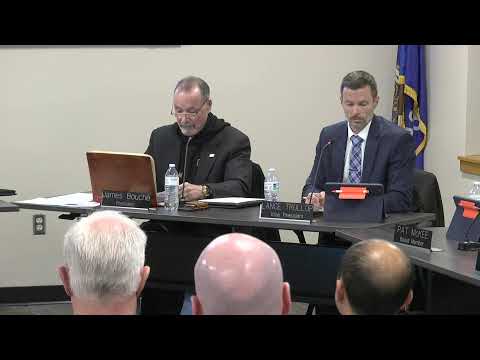
The Wausau School District board on Feb. 9 heard an extended informational presentation and vigorous discussion after the dissolution of the East–Merrill boys hockey co‑op left several Wausau East athletes facing eligibility consequences.
John Tomski, director of secondary education, told the board the Wisconsin Valley Conference and the WIAA process require conference approval for co‑ops and that Merrill’s decision to dissolve the co‑op came late in the registration window, creating a Feb. 1 deadline the district could not meet for a standard appeal. Tomski said the WIAA has historically not granted extensions and that the WIAA cannot force a conference to adopt a co‑op.
Why it matters: District staff said the timing means some Wausau East students who would transfer or open‑enroll to continue playing could face a one‑year eligibility penalty unless a waiver is granted; the WIAA has said waivers are not guaranteed. Board members and parents said the late notice unfairly limited options and urged the district to pursue all remedies.
"These eight boys deserve a fair chance to compete," public commenter Delora Bry said, identifying herself as a Wausau East parent. "This isn't just about hockey, it's about access and fairness."
Board members debated both short‑term and long‑term responses. Staff outlined immediate options including seeking a JV‑only co‑op (a local control decision), encouraging targeted in‑district transfers under existing policies, and pursuing conversations with the conference and WIAA about deadline flexibilities. Administrators also suggested proposing bylaw amendments to the Wisconsin Valley Conference to prevent similar late dissolutions from leaving students without options.
Several board members urged direct engagement with conference leaders and the WIAA executive director to request an extension or an exception in light of the timing. One board member, speaking strongly about conference motivations, called for the district to press for reconsideration and said the board would support legal options if necessary.
District officials provided student counts and roster projections to show the issue would affect a small number of students across grades 9–12 but could have outsized consequences for those athletes. Administrators emphasized that any district policy changes (for example, expanding academic-program definitions used for in‑district transfers) still would be constrained by WIAA eligibility rules.
What’s next: Board members asked administration to pursue conversations with the WIAA and conference athletic directors, explore whether any principals will reconsider their conference votes, and develop recommended bylaw language and local policy adjustments for future consideration. No formal board directive to pursue legal action was adopted during the meeting.
The discussion closed with board members agreeing to continue work through the administration and athletic directors to identify options that preserve students’ opportunities where possible.