
Appropriations committee debates whether to fund prevention programs from opioid settlement or substance‑misuse prevention fund
Get AI-powered insights, summaries, and transcripts
Subscribe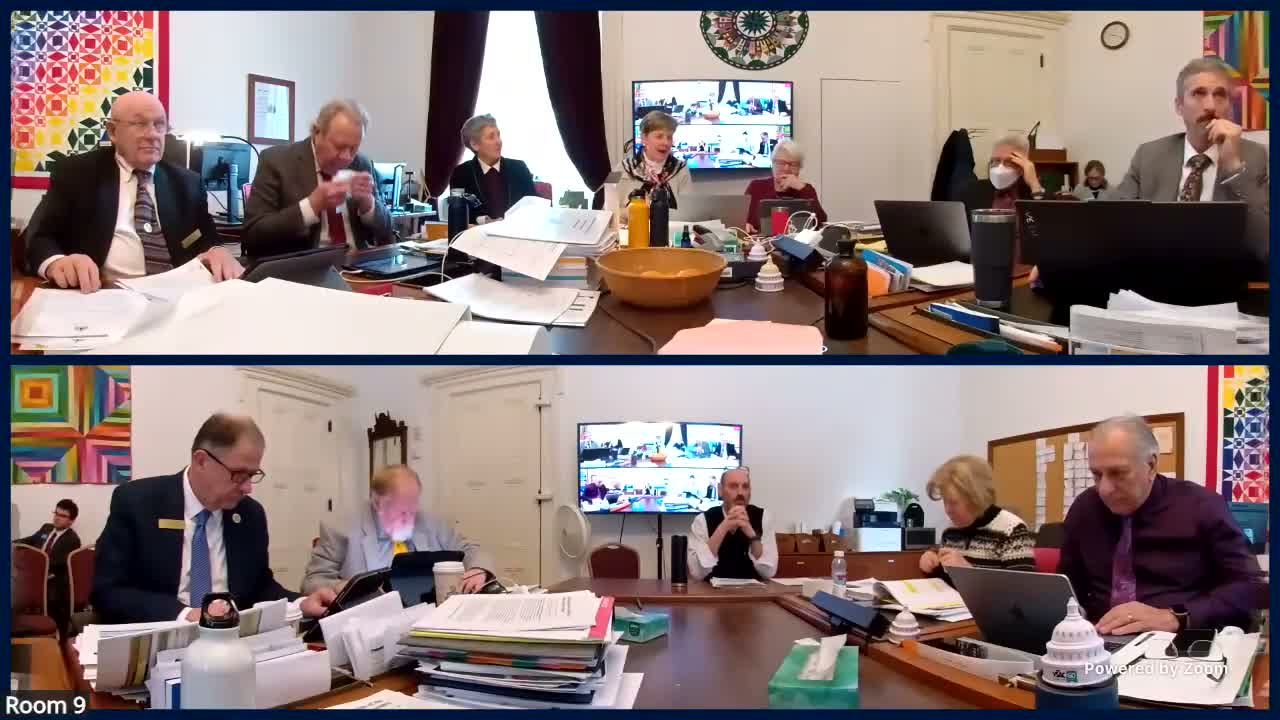
Summary
Vermont's House Appropriations Committee discussed three options for four prevention items totaling $640,000: leave them in the opioid abatement special fund, move them into the substance misuse prevention fund in the budget, or keep them in the opioid fund and make no budget changes. Members requested more fiscal detail and evaluation information before deciding.
Members of the Vermont House Appropriations Committee spent the Feb. 27 meeting weighing where to place four prevention items totaling $640,000 — in the opioid abatement special fund, in the substance misuse prevention fund (which receives cannabis revenue), or moved into the regular budget for centralized treatment, Joint Fiscal Office analyst Noah Langwell told the committee.
Langwell told members they faced three options: pass the bill as Human Services recommended and leave the opioid and substance misuse items in place, "strip out section 7" and move the substance misuse money into the budget so all related items are handled together, or "just use the opioid abatement special fund because there's money there," he said. The committee must still address language in section B3.13 of the budget if it chooses to change where money is charged.
Why it matters: moving the $640,000 between funds affects fund balances and program sustainability. Committee members said the opioid abatement fund is time‑limited and could be depleted if used for ongoing items, while the substance misuse prevention fund is projected to receive continuing cannabis revenue. Several members urged aligning one‑time obligations with one‑time funds and ongoing services with recurring funds.
Members also raised evaluation and sustainability concerns. A committee member said prevention programs funded to date "have not been evaluated, in terms of their effectiveness," and asked whether Human Services or advisory bodies had completed reviews. Langwell pointed to bill language requiring a sustainability plan for ongoing funding proposals and said section 6 calls for annual review of outcomes of programs funded through the opioid abatement special fund to assess effectiveness and long‑term sustainability.
The committee asked for clearer fiscal spreadsheets and line‑by‑line allocations to compare the governor's recommendations, Human Services proposals, and advisory committee suggestions. Langwell said he had provided a spreadsheet to committee staff that he expected to be posted for members' review and recommended members consult the Human Services materials for additional detail.
No formal vote was taken on Feb. 27. Chair directed staff to provide the requested spreadsheet and additional program detail and said the committee would revisit the question after the break and take action next week.
Ending: The Appropriations Committee paused the discussion pending the posted fiscal comparison, further evaluation materials from Human Services, and follow‑up work on offsets to cover any fund shortfalls. The committee did not adopt changes to the bill that day.