Get Full Government Meeting Transcripts, Videos, & Alerts Forever!
Get email alerts on the Education School Performance topic
No spam. Unsubscribe anytime.
Westside administrators outline attendance and on‑track strategies amid improving scores
Summary
Westside school leaders told the Anderson School Board that targeted attendance incentives, cohort tracking and professional development tied to a district SREB partnership have driven gains and aim to raise ninth‑ and tenth‑grade on‑track rates and reduce failing grades.
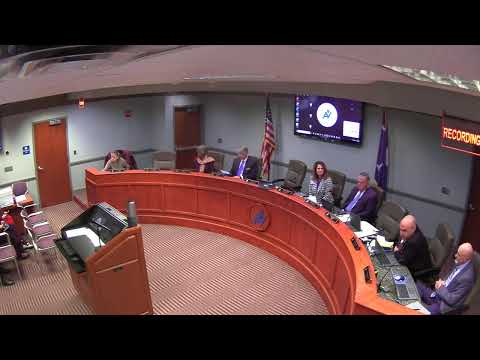
Westside staff presented their continuous improvement plan to the Anderson School Board, describing stepped-up attendance work, targeted interventions for seniors and classroom professional development aimed at improving math and ELA results.
The presenters said improving attendance is central to academic recovery. "If the students come to school, we have a chance to teach them," one Westside presenter told the board, and outlined incentive programs (including a major culminating incentive and smaller ongoing rewards) and an attendance committee that meets monthly.
The plan centers on cohort tracking — assigning an administrator to each grade cohort to monitor ninth through twelfth graders — and targeted interventions for a subgroup of roughly 50 seniors who need intensive support. The presenter said about 44% of the senior cohort had already met graduation requirements at the time of the report and that, once all data are entered, the share reported as college‑ or career‑ready should increase.
School staff described professional development partnerships with the Southern Regional Education Board (SREB), monthly consultant visits for math instruction and the use of in‑school coaching to support teacher clarity and standards mastery. They cited tools used in classrooms and assessment work to identify skill gaps and guide small‑group instruction.
Board members asked operational questions about teacher turnover, staffing and how many interventionists each school employs; one board member praised the graduation‑rate increase and community members offered donated incentives to support attendance efforts.
The board received the presentations for information; no board vote or formal action was recorded during the meeting.