
Staff brief committee on substitute HB 2689 as advocates warn cuts would harm providers and families
Get AI-powered insights, summaries, and transcripts
Subscribe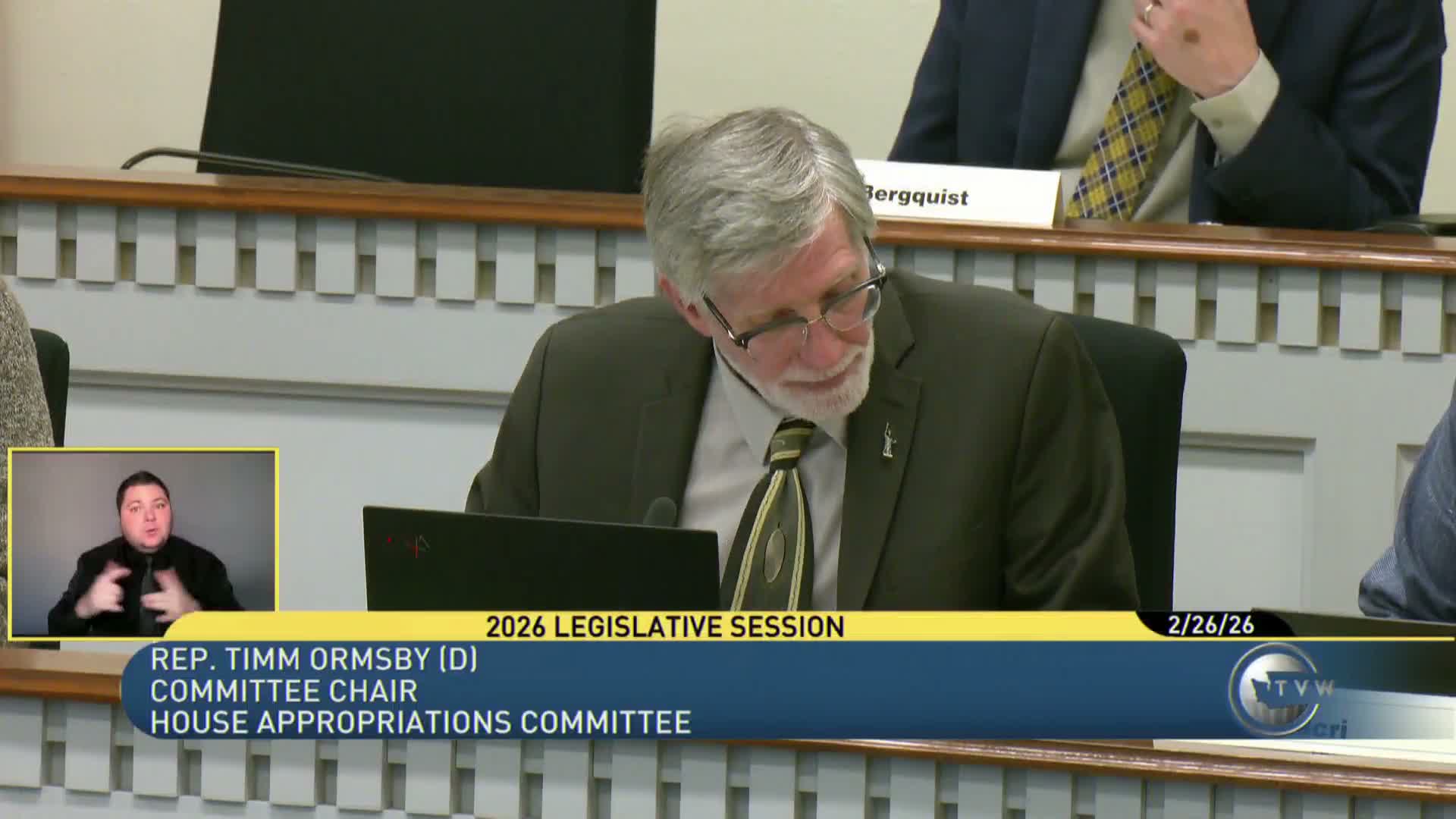
Summary
Committee staff outlined a substitute to HB 2689 that narrows eligibility expansions, reduces future subsidy-rate targets, and changes provider reimbursement rules; child-care advocates and school-district representatives warned the payment changes could harm small providers and Head Start programs.
Jordan Clark, staff to the House Appropriations Committee, briefed members on the proposed substitute to House Bill 2689, explaining that the draft removes previously scheduled income expansions to 75% and 85% of state median income and lowers proposed future subsidy-rate targets from the 80th percentile of market to the 70th percentile beginning July 2027. Clark said, "Beginning 07/01/2026, provider reimbursement will transition from attendance based to enrollment based billing," and described an attendance policy change that would pay a full month only if a child is absent 10 or fewer days and a half month for 11 or more absences, with staggered effective dates for centers and family homes.
The proposed substitute keeps the current 60% SMI eligibility threshold but eliminates the planned expansions; Clark noted the fiscal impact of eligibility expansions would not appear until fiscal 2030 and that removing those expansions would produce equivalent savings. He described illustrative savings from rate and attendance changes, listing multi‑million dollar annual savings estimates in committee materials.
During public testimony Vice Chair Macri called testifiers in both the room and online. Maggie Humphreys, testifying for Moms Rising and the Child Care for Washington roundtable, thanked the committee for "removing the most harmful components of this bill, and that was a cap to Working Connections," while warning that rate reductions and removed expansions are "heavy losses" that would affect providers and families. Bronte Lemke, a MomsRising member, offered personal testimony: "I would not be where I am today without Working Connections," describing how access to care enabled her to return to school and work.
Laurie Pittman, representing Puget Sound Educational Service District 121, urged the committee to reconsider moves toward attendance-based payment, saying that "when we move to a base of paying by attendance, it makes it extremely hard on the small business owners that we rely on to deliver Head Start and ECAP services." Pittman added that shifting to attendance retroactive payments or enrollment-based billing could create cash-flow challenges for small providers and programs that serve preschool and school-age children.
Committee staff said they do not yet have a department fiscal note on the substitute but included illustrative charts in the electronic bill book showing estimated cost avoidance from the rate change and projected savings from the attendance policy. Clark also warned of implementation costs for DCYF IT and staff changes. The committee did not take a vote during the hearing; staff and advocates said they will continue to refine language and examine fiscal notes before executive action.