Lifetime Citizen Portal Access — AI Briefings, Alerts & Unlimited Follows
Plains artist urges teaching of traditional beadwork and sewing to restore culture
Loading...
Summary
An indigenous Plains-style artist described rebuilding lost craft knowledge after historical persecution and said training new cultural specialists is key; student Leilani Gregory described beadwork as "good medicine."
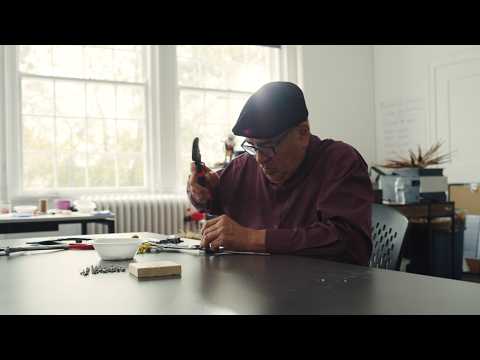
Steve, a Plains-style artist and instructor, told attendees that restrictions on indigenous practice drove him to reclaim traditional craft: “I don't like restrictions placed upon me. I want to have that freedom. Art is my savior, my reconnection to who I am.” He located his work on the lands of the Omaha people and demonstrated quill and feather techniques to explain design symbology.
Steve said those techniques carry stories as well as method. He described how creation narratives inform his work — “we come from the center… This is the center of this buffalo” — and pressed for understanding of “what are the symbols and what do they truly mean?” He framed small-scale projects such as making earrings as gateways to larger conversations about cultural identity and recovery from past persecution.
Recalling family history, Steve said his mother was a victim of the boarding-school system and that forced removals of children fractured families: “When they took all 7 of my grandparents' children, I think they died of a broken heart.” He named his grandfather as Zingtala Tho (Bluebird) and said family stories and star knowledge accompanied technical instruction.
Leilani Gregory, who identified herself as a member of the Rosebud Sioux Tribe of South Dakota and as one of Steve's students since kindergarten, described the practical and emotional value of the craft: “When I'm working, whether it's beading or sewing ribbon skirts, I just find peace in it, honestly. It's good medicine.” She credited Steve with teaching “what it means to be Native American, our ways, our traditions.”
Steve said his long-term goal is to train “my own little army of cultural specialists” who could become teachers and carry the traditions forward; he called the work never-ending and said he will continue researching and teaching. The presentation concluded with a brief transition to an audience poll and further remarks about overcoming historical obstacles to practice.
The session was a community presentation of traditional Plains art techniques and family histories; no formal board action or vote was recorded.