Lifetime Citizen Portal Access — AI Briefings, Alerts & Unlimited Follows
Environmental protection program manager at Argonne says lab secured air permit for rare-earth recovery process
Loading...
Summary
An Argonne environmental protection program manager said the lab secured an air permit from the Illinois Environmental Protection Agency to allow construction and operation of a process to recover rare earth metals from batteries and electronics, and that modeled hydrofluoric acid emissions would remain far below regulatory limits.
An environmental protection program manager at Argonne said the laboratory has obtained an air permit from the Illinois Environmental Protection Agency (IEPA) to permit construction and operation of a process to recover rare earth metals from batteries and other electronics.
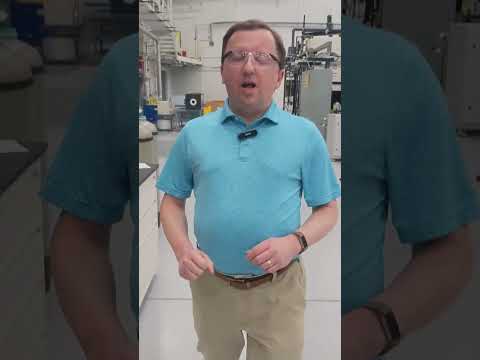
The manager, who identified themself as Argonne’s environmental protection program manager, said researchers are developing techniques to reclaim valuable rare earths but that such processes can produce emissions hazardous to human health. "We reviewed regulations from the Illinois Environmental Protection Agency and quickly determined that an air permit would be required before construction and operation of this process could begin," the manager said.
Why it matters: demand for rare earth metals is large — the speaker cited a 2024 figure of more than 390,000 metric tons mined globally — and recovering those materials from spent electronics could reduce mining pressure but introduces new local environmental risks that laboratories and regulators must manage.
According to the speaker, Argonne worked with its researchers to estimate potential emissions, with particular attention to hydrofluoric acid (HF). The manager said the lab modeled annual HF emissions and potential transport in air, compared those estimates with state and federal requirements, and concluded that "even if emission controls were inoperable, the HF levels would still fall far below regulatory limits." The laboratory then applied for and, the speaker said, secured an air permit from the IEPA that includes operating conditions intended to limit environmental impacts.
The speaker added that construction of the recovery process is already underway at Argonne and framed the permitting and modeling work as part of the laboratory’s approach to allow research to continue while prioritizing safety. "At Argonne, safety, including protection of the environment, is one of our core values," the manager said. "Science moves forward, but only when safety comes first."
No formal vote or external decision beyond the IEPA permitting action was recorded in the transcript. The laboratory’s next steps, per the speaker, are to proceed with construction and operate under the terms of the permit; the transcript does not specify monitoring schedules, exact emission quantities, or any public-notice timeline beyond the permit statement.