
Tahoe officials outline multi-jurisdiction evacuation plan and lessons from Caldor fire
Get AI-powered insights, summaries, and transcripts
Subscribe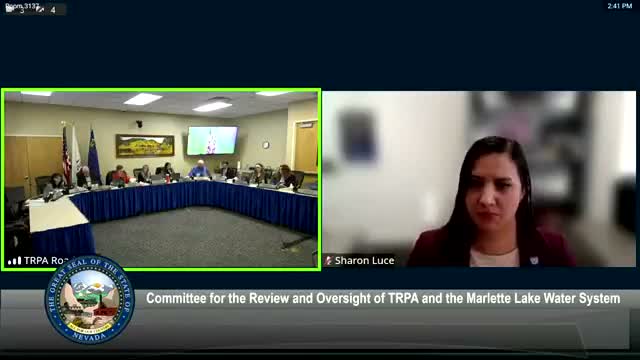
Summary
Emergency managers, sheriffs and fire chiefs told Nevada lawmakers the Tahoe Basin has a functioning but evolving evacuation system that relies on local incident command, cross‑jurisdiction liaison roles, shared alerting tools and fuels treatments to 'buy time' for orderly departures.
Officials who manage wildfire response across the Lake Tahoe Basin told the Nevada Legislature’s TRPA Oversight Committee that evacuation planning has improved since the 2007 Angora and 2021 Caldor fires, but still depends on coordinated local command and faster landscape work.
Julie Regan, executive director of the Tahoe Regional Planning Agency, said TRPA’s role is to align land-use policy, transportation and funding while convening partners for evacuation coordination. “We bring partners together to foster coordination, communication, and increase public education on evacuation planning,” she said.
Panelists described a tiered approach: fire incident commanders initiate evacuation decisions on scene, law enforcement executes door‑to‑door notifications and traffic control, and state emergency management coordinates additional resources when local capacity is exceeded. Dan Coverley, Douglas County sheriff, noted that law enforcement personnel typically “knock on the doors and ensure people are evacuated” and emphasized the importance of in-person contact for residents with access or functional needs.
Speakers outlined technical and operational steps taken since Caldor: a central interagency evacuation document, a shared alerting portal (TahoeAlerts.com) that directs visitors to local alert platforms, temporary refuge areas and efforts to align fuels treatments along evacuation corridors. Jim Drennan, South Lake Tahoe fire chief, said fuel treatments reduced flame lengths in treated neighborhoods during Caldor and gave firefighters time to defend homes.
Panelists also addressed infrastructure and coordination challenges. Officials said NDOT and Caltrans engagement has increased but remains a work in progress; Ryan Summers of the Nevada Department of Transportation said the agencies now hold biannual meetings with public-safety partners and have begun corridor treatments near evacuation routes. Hospitals and medical transports were flagged as operationally complex: responders prefer shelter‑in‑place when possible because evacuating patients is resource-intensive and risky.
The witnesses repeatedly emphasized that fuels reduction “buys time” for evacuations. “If the fire can’t move at a phenomenal pace, that allows us to have time to evacuate people and evacuate them safely,” Sheriff Coverley said. Panelists asked the Legislature to support continued funding and cross‑jurisdictional planning to keep evacuation systems functional as the basin’s visitation and development patterns evolve.
The committee did not take immediate action but moved to the next agenda items; members asked follow‑up questions on DOT coordination, alerting technologies and hospital preparedness.