
Irving staff proposes inspections, single‑lease rule and location limits for short‑term rentals
Get AI-powered insights, summaries, and transcripts
Subscribe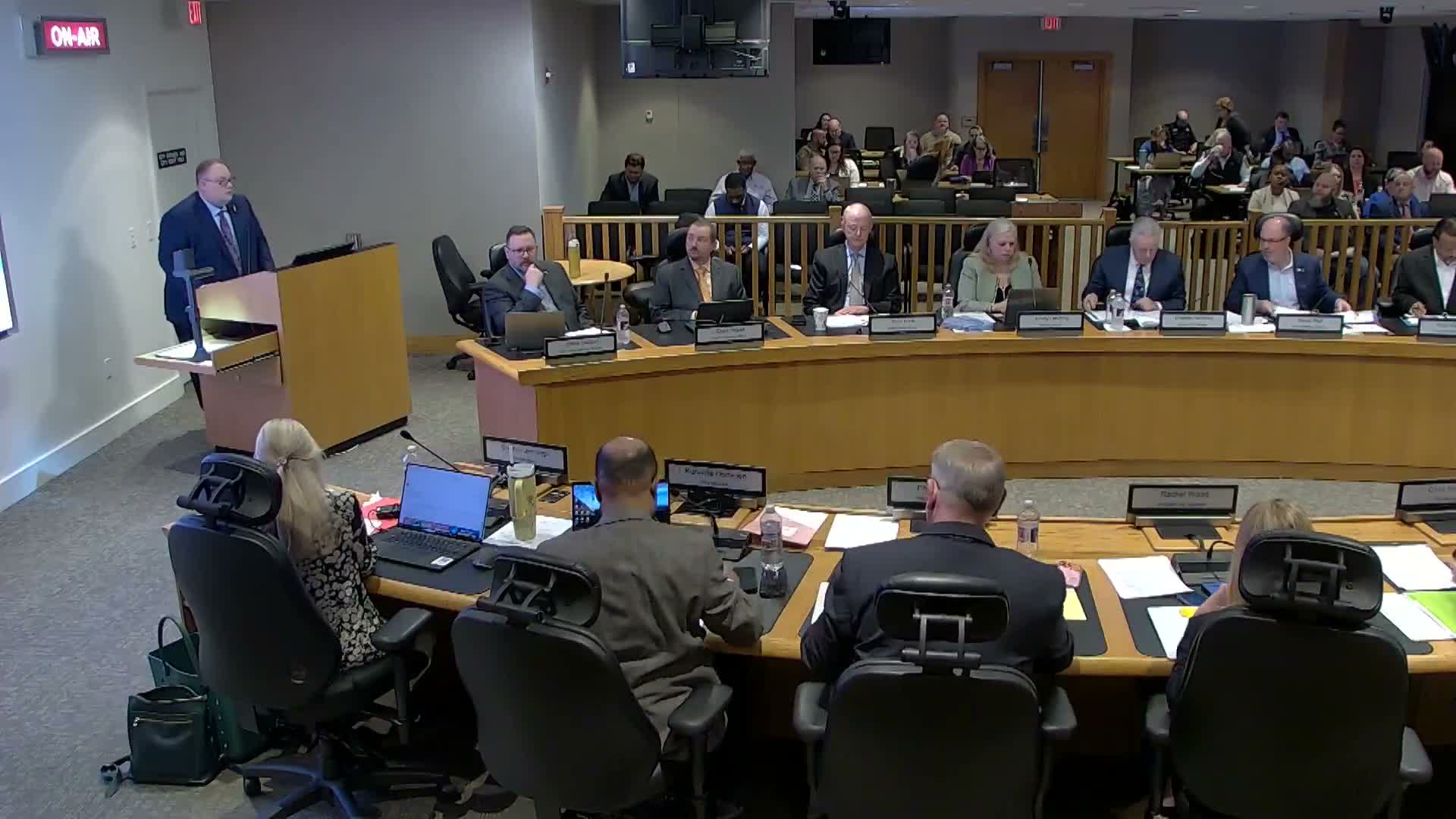
Summary
City staff proposed a package of short‑term rental rules — mandatory inspections, one‑lease‑per‑unit limits, parking postings, fire‑safety requirements and several zoning approaches (buffer zones, CUPs or block‑face caps) — and estimated the program would need two housing inspectors, a customer service rep and fee increases to recover roughly $300,000+ in annual staffing costs.
City staff on Feb. 26 presented a package of changes to Irving’s short‑term rental (STR) rules that would add inspections, new host responsibilities and several zoning options intended to prevent clustering of rentals in single‑family neighborhoods.
Shane Giller, the city’s code enforcement director, told the council that the city defines STRs as residential lodging offered for less than 30 days and not a hotel. Giller said the proposed amendments would require an initial inspection at registration, annual reinspection, and monthly exterior (drive‑by) monitoring to document visible property conditions. “We would inspect the property,” Giller said, adding the monthly visits would be unannounced and documented with photos or notes.
The package includes operational and life‑safety requirements: hosts would submit a floor plan with applications; smoke detectors would be required in all bedrooms; a carbon monoxide detector would be required outside sleeping areas where fuel‑burning appliances or attached garages are present; and a minimum five‑pound ABC fire extinguisher would be required on site. Giller said renewals would be contingent on compliance and that three violations in a year could trigger nonrenewal or revocation under existing code provisions.
On occupancy and leasing, staff proposed forbidding multiple independent leases within a single living unit during the same rental period. “If they’re in an STR and they’re currently renting out multiple leases through the site per bedroom, that would end those,” Giller said, explaining the change targets ads that list different, simultaneous leases for separate bedrooms at a single address.
Parking and enforcement were a frequent focus in council questions. Staff proposed requiring hosts to post an off‑street parking rule in STR advertisements and at the property (examples shown included a minimum of four off‑street spaces or one per bedroom). Giller cautioned that the city could not criminalize guests parking on a public street where parking is allowed but said the host rule would provide a contractual tool and assist police or code officers responding to complaints.
Staff also presented three approaches to restrict where STRs could operate: an Arlington‑style zoning buffer that permits STRs only in mapped zones (for example a one‑mile buffer around the Las Colinas urban center and freeway frontages); a conditional use permit (CUP) requirement in single‑family zones; or a block‑face percentage cap limiting the share of homes on a block that can be used as STRs. Giller said the Arlington model would require extensive noticing (an estimated 30–50,000 property owners notified) and roughly $35,000+ in postcard costs for initial outreach; the CUP approach could cost millions in noticing because every single‑family homeowner would require notice under state law.
Staff estimated the inspection program would require two housing inspectors and one customer service representative and roughly $300,000 annually for those positions (salary, benefits and supervision). Using a hypothetical count of 400 STRs, staff said the per‑STR fee to fully recover program costs could fall in the $700–$900 per year range, subject to further study during the budget process.
Council members pressed staff about enforceability — how officials would detect multiple oral or staggered leases and how interior or rear‑yard violations could be found via exterior monitoring. Giller acknowledged limits: exterior drive‑bys would not reveal interior or hidden rear‑yard issues, but inspections aimed to document whether properties “appear as though they’re meeting the standards.” Council members expressed a mix of preferences: some favored the strictest location limits or a CUP regime combined with a low block‑face cap; others warned that the scope of citywide notice and potential zoning cases could create heavy administrative burdens.
Staff asked for council direction on which location option to pursue and said staff would return with an ordinance amendment and a fee schedule to achieve cost recovery. The council did not vote on ordinance language during the work session; staff said they would prepare a draft amendment and associated fees for future hearings.
The presentation and Q&A spanned the work session; staff’s initial STR presentation began at the Feb. 26 work session and council members continued substantive questions through the discussion.