Get Full Government Meeting Transcripts, Videos, & Alerts Forever!
Get email alerts on the Banking Regulation topic
No spam. Unsubscribe anytime.
Agency official outlines EGRIPRA review to reduce bank regulatory burden
Summary
An agency official opened a federal outreach meeting on the Economic Growth and Regulatory Paperwork Reduction Act (EGRIPRA), saying the agencies will seek lasting reductions in unnecessary regulatory complexity, with a focus on tailoring rules for community banks and updating capital and supervisory frameworks.
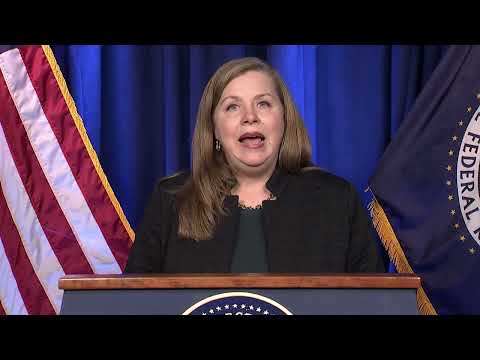
An agency official opened the third public outreach meeting hosted by the federal banking agencies and framed the Economic Growth and Regulatory Paperwork Reduction Act (EGRIPRA) review as an opportunity to reduce unnecessary regulatory complexity while preserving safety and soundness. The official said the regulatory system "has grown extensively in recent years and has become overly complicated with often conflicting and overlapping requirements," imposing "unnecessary and significant costs on banks and their customers."
The official described a pragmatic approach to reform: identify the specific problem each regulation is intended to solve, weigh intended and unintended consequences, and consider alternatives that lower costs or improve outcomes. "Once we've identified a need for reform or a problem to be solved, our next task is to conduct a careful analysis of the intended and the unintended consequences of any proposed policy solution," the official said, calling EGRIPRA the forum to "take a step back and review our frameworks with fresh eyes."
Why it matters: the official emphasized that overly complex rules can push activities outside the banking system and disproportionately burden community banks. To address that, the official urged graduated requirements that account for an institution's size, risk, complexity, and business model so smaller banks are not unduly constrained. "When our regulatory system is not appropriately tailored to the size, risk, complexity, and the business model of the institutions we supervise and regulate, we impede the effectiveness of their operations," the official said.
Areas raised by commenters and under review include the supervisory framework, regulatory capital, application processes, outdated guidance on insider loans, anti-money-laundering requirements, and information-collection burdens such as the call report. The official said the agencies have issued four Federal Register notices and held two virtual outreach meetings and that they have received comments from banks, trade groups, and community organizations.
On regulatory capital, the official listed ongoing initiatives: considering modifications to the community bank leverage ratio, adjusting stress-testing procedures to reduce capital volatility, and proposing changes to the enhanced supplementary leverage ratio. The speaker also noted an FAQ issued for mutual banking organizations, and said the agencies are prioritizing anti-fraud efforts and exploring ways to streamline reviews for mergers, acquisitions, and de novo charters.
The official said the FFIEC agencies are reviewing the CAMELS rating system and that the board has ended use of "reputational risk" in its supervisory program to support fair access to banking. Looking ahead, the official said the AGRIPRA/EGRIPRA review offers a meaningful chance to identify reforms that will have a lasting impact while continuing to promote a safe and sound banking system that supports market functioning, economic growth, and opportunity.
The meeting was framed as part of an ongoing outreach effort; the official closed by emphasizing continued engagement with banks of all sizes, "especially community banks," and thanking participants for their comments and ideas.