Get Full Government Meeting Transcripts, Videos, & Alerts Forever!
Get email alerts on the Grading Policy topic
No spam. Unsubscribe anytime.
Local scientist warns board that 'grading for equity' may lower standards and inflate grades
Summary
Dr. Richard Gregory told the board that 'grading for equity' practices risk grade inflation and reduced learning, citing studies he said show negative effects; his comments were delivered during the public-comment period and were not debated by the board.
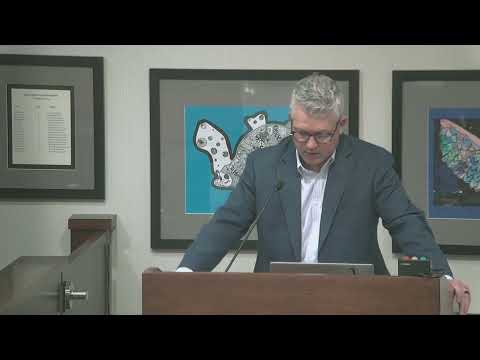
Dr. Richard Gregory, a Carmel resident who said he has taught microbiology and immunology at IU for more than 30 years, used his three minutes of public comment to criticize the district’s adoption of 'grading for equity.' He described policies such as bans on zero grades and relaxed penalties for late work as lenient and said they reduce expectations, lower academic standards and encourage 'gaming the system.' "In equity grading, lenient grading leads to less learning and grade inflation," Gregory said.
Gregory cited what he described as more recent studies (he named Coffee and Tyner, 2024; Bowden, 2024) and referenced Clark County, Nev., data to argue that allowing late work and lenient grading has produced lower retention and reduced accountability. He urged the board to reconsider such approaches and to prioritize rigorous grading practices that challenge students.
Comments made during the public-comment period are taken under advisement; the board did not respond during the meeting. The criticisms Gregory raised reference external research claims he summarized; those studies and data were not reviewed or debated in the session.