
Researcher details 1942 lynching of James Edward Person and limited federal sentences
Get AI-powered insights, summaries, and transcripts
Sign Up Free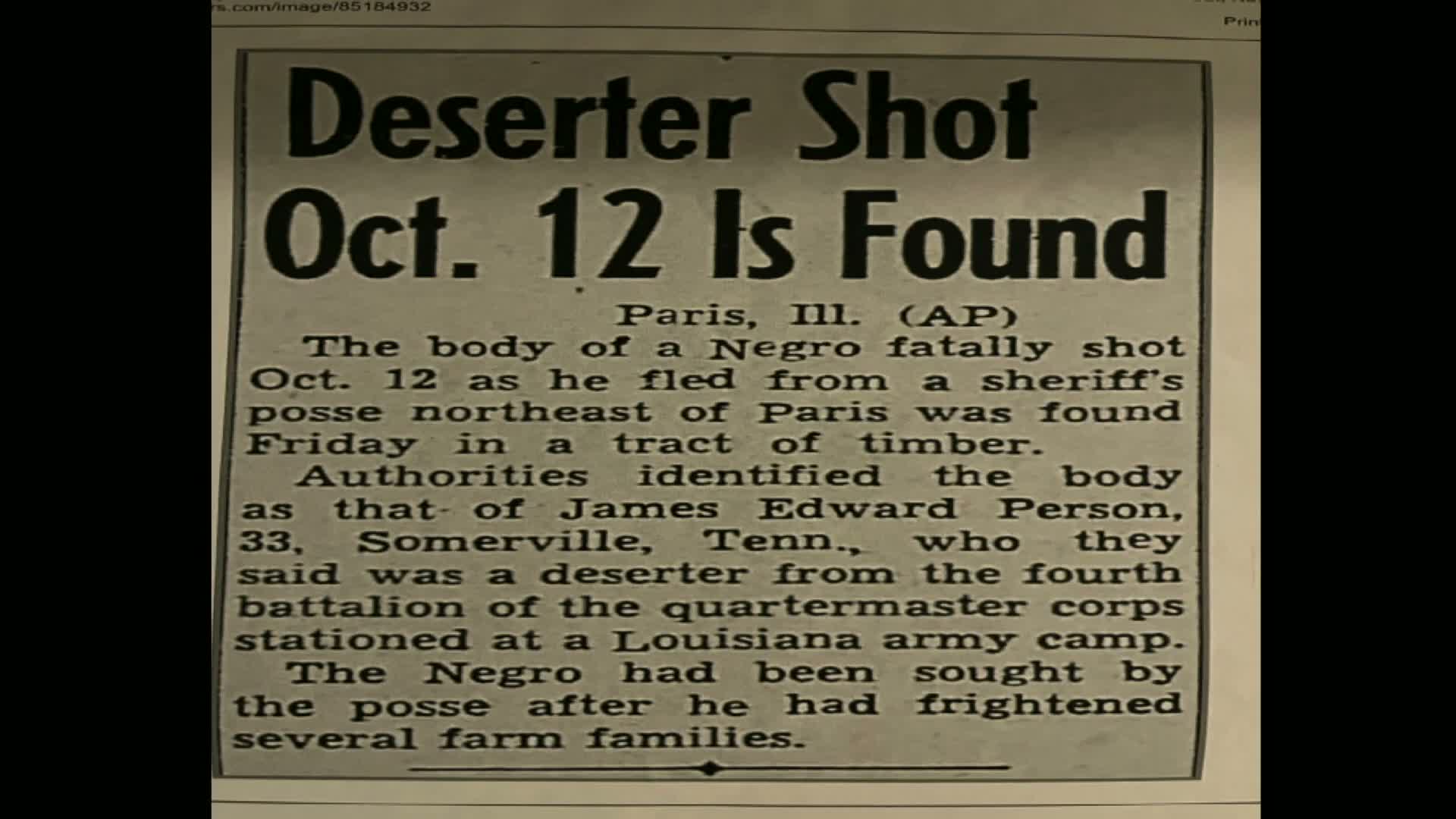
Summary
Dr. Leonardo B. Carr presented archival and FBI-file research on the 1942 killing of James Edward Person, describing a cross-state manhunt, a federal grand jury indictment of 13 people on civil-rights conspiracy charges, convictions or pleas with light penalties, and ongoing family efforts for recognition.
Dr. Leonardo B. Carr presented a detailed account of the 1942 killing of James Edward Person of Somerville, Tennessee, drawing on newspaper reports, FBI records, and federal grand-jury materials.
Carr traced Persons movements after he left Tennessee in 1942: a reported effort to reach Chicago, encounters in Indiana and Illinois, a posse that pursued him and witnesses who described shots fired as Person ran through a cornfield, and the later discovery of his body. Carr said the case led to a rare federal civil-rights investigation: a grand jury in East Saint Louis indicted 13 people on charges of conspiracy to violate civil-rights statutes. Several defendants entered no-contest pleas and received fines; Carr criticized the penalties as inadequate and urged attention to how federal civil-rights enforcement translated into light sentences in that era.
He emphasized the human impact: Persons family continues to seek acknowledgment and reburial options, and the presenter said he had reviewed FBI files and met with family members to ensure the record reflects both archival documents and family testimony. Carr framed the case as an example of both federal engagement on wartime civil-rights concerns and the limits of accountability in practice.